

 See My Latest Article on HelloNation
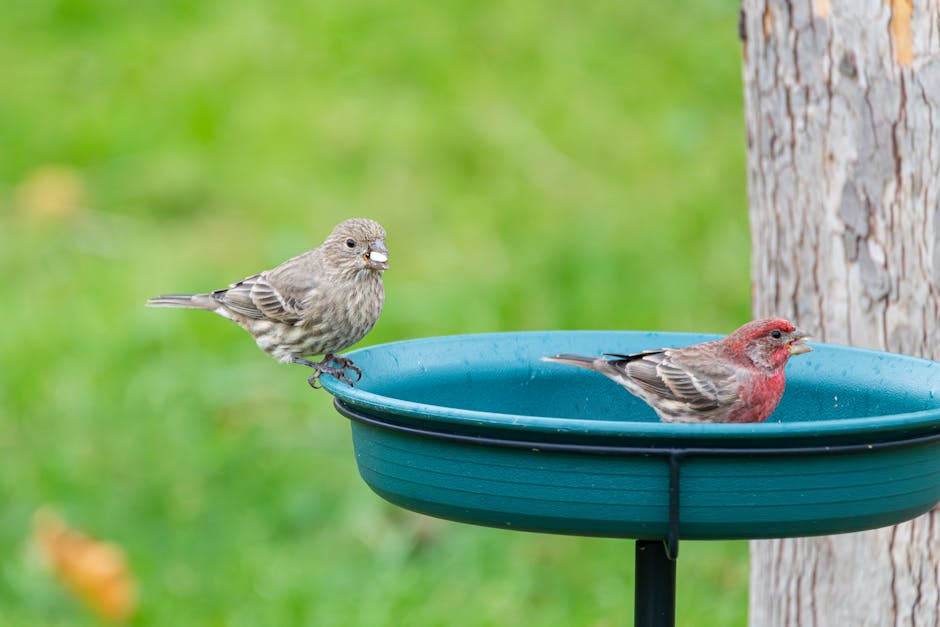
Sequim, Washington, is known for its unique microclimate, charming neighborhoods, and proximity to nature. Many residents cherish the sights and sounds of native birds, from vibrant finches flitting among lavender fields to hummingbirds zipping around backyard feeders. If you want to attract more birds to your garden and become a steward of Sequim’s wildlife, this guide will help you create a welcoming haven for birds all year long.
Understanding Sequim’s Bird Residents
Sequim’s location on the Olympic Peninsula gives it a distinct habitat compared to much of Western Washington. The “Rainshadow” effect means less rain and more sunshine, making gardens here lush but not overly wet. Local birds you might encounter include Anna’s hummingbirds, song sparrows, American goldfinches, black-capped chickadees, northern flickers, and rufous hummingbirds. Planning your garden with these birds in mind can increase your chances of frequent feathered visitors.
Planting Native Flora for Food and Shelter
One of the most reliable ways to attract birds to your garden is by planting native flora. Birds recognize local plants as familiar sources of food and shelter.
- Choose Native Trees and Shrubs: Red-flowering currant, serviceberry, Oregon grape, and elderberry produce berries and attract insects that birds love.
- Flower Power: Plant sunflowers, coneflowers, and lavender (a Sequim favorite!) to draw in seed-eating birds while providing shelter and nesting materials.
- Diverse Layers: Arrange your landscape with trees, shrubs, and groundcover to create a layered environment. This mimics natural habitats and offers hiding spots and nesting areas.
Sequim’s mild winters and dry summers mean native plants not only attract birds but also thrive without much intervention, conserving water and saving you time.
Providing a Consistent Water Source
Fresh, clean water is a magnet for birds. In Sequim’s drier months, a dependable water supply can set your garden apart.
- Bird Baths: Place a shallow bird bath in a quiet, visible location. Keep the water 1-2 inches deep and refill it regularly, especially in the summer.
- Moving Water: Birds are drawn to moving water, so consider a solar-powered fountain or dripper. The gentle sound can attract passing birds from a distance.
- Cleanliness Counts: Change the water every few days to prevent mosquito larvae and algae buildup.
If you enjoy outdoor living in your Sequim backyard, a bird bath also adds a calming visual and auditory element for you and your guests.
Feeding Birds Responsibly
While natural food sources are best, feeders provide supplemental nutrition, especially in late winter and early spring.
- Seed Feeders: Tube feeders with black oil sunflower seeds will attract chickadees, finches, and sparrows.
- Suet Feeders: In cooler months, suet attracts woodpeckers, nuthatches, and wrens.
- Hummingbird Feeders: Anna’s and rufous hummingbirds love sugar water (four parts water to one part sugar, changed every few days).
Place feeders near cover but not directly adjacent to places where cats can hide. Clean feeders regularly to prevent the spread of disease.
Creating Safe Nesting Opportunities
Different birds have different nesting preferences, and Sequim’s gardens can cater to all of them.
- Leave Dead Wood: Dead trees or branches can provide natural nesting cavities for woodpeckers and chickadees. Dead wood also attracts insects, an important food source.
- Install Nest Boxes: Bluebirds, swallows, and wrens may use nest boxes. Make sure boxes have proper drainage, ventilation, and predator guards, and mount them away from prevailing winds.
- Messy Is Good: Let some leaves and twigs gather in the corners. Birds use these materials for nest-building and insects hiding within provide protein for chicks.
Avoiding Common Hazards
Sequim’s open landscapes mean birds face potential dangers, but you can help.
- Keep Cats Indoors: Domestic cats are a leading cause of bird mortality. Keep cats inside or create “catios” so your pets stay safe while wildlife is protected.
- Window Strikes: To prevent birds from flying into windows, use decals, screens, or external shades.
- Avoid Chemicals: Pesticides and herbicides can poison birds or eliminate the insects they need to survive. Opt for organic gardening practices and integrated pest management.
Timing Your Efforts
Sequim’s bird population changes with the seasons. Spring and summer bring migratory visitors; autumn and winter are quieter, but you’ll still spot hardy residents.
- In fall, leave seed heads on flowers and allow a layer of leaf litter to build up.
- In spring, clean nest boxes and feeders in preparation for new arrivals.
- In summer, keep water sources filled and provide plenty of shade.
If you’re already maintaining a garden or small space, small changes can yield big rewards in bird diversity and abundance.
Enjoying the Benefits
Attracting birds to your Sequim garden is more than just an enjoyable hobby. Birds help manage pests, pollinate plants, and foster a connection with nature right outside your door. They also provide endless entertainment and learning opportunities for adults and children alike.
Whether you’re gazing at a flock of goldfinches swirling over a lavender field or sipping coffee while a hummingbird hovers outside your window, birds bring Sequim’s natural beauty a little closer to home.
By following these tips and adopting a bird-friendly approach tailored to our local climate and environment, your Sequim garden can become a thriving habitat that will delight you and benefit native wildlife for years to come.