

 See My Latest Article on HelloNation
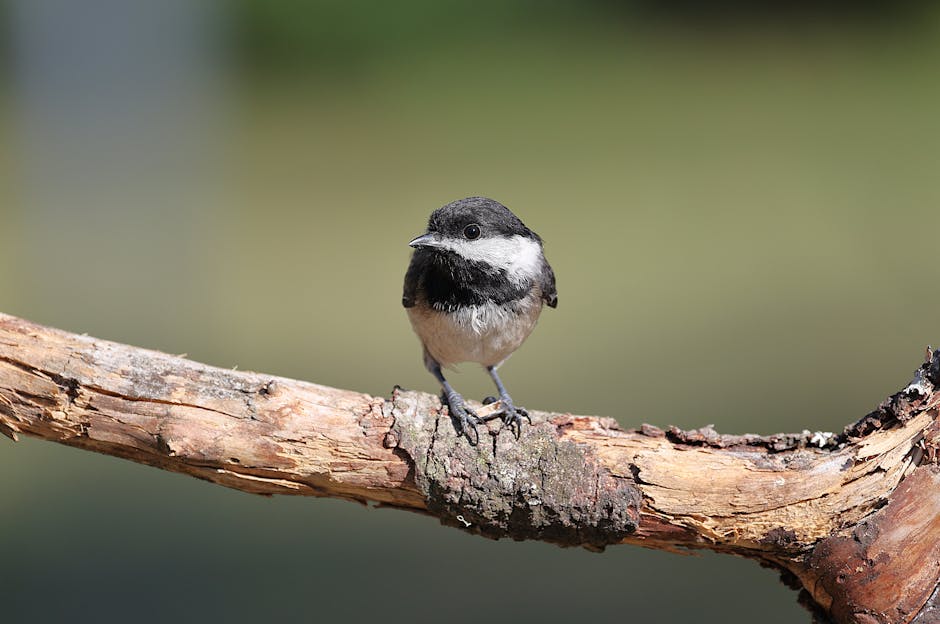
Observing wildlife right from your own backyard is one of the unique pleasures of living in Sequim, WA. With our stunning mountain views, mild climate, and proximity to both forest and coast, Sequim offers residents unparalleled opportunities to experience nature up close—sometimes, quite literally outside the kitchen window. Whether you’re hoping to spot deer passing through your yard, birds at your feeders, or even the occasional coyote at dusk, learning to safely and respectfully observe wildlife will help protect both you and the creatures you enjoy.
Why Backyard Wildlife Observation Matters in Sequim
Sequim’s location in the rain shadow of the Olympic Mountains means our yards are frequently visited by a surprising diversity of animals: songbirds, owls, deer, raccoons, squirrels, and sometimes more elusive visitors like bobcats or black bears. This blend of rural, suburban, and wild spaces offers both opportunities and responsibilities. Learning how to observe wildlife safely helps foster coexistence, supports local conservation, and enriches daily living.
Setting Up Your Yard for Responsible Wildlife Viewing
The first step to excellent wildlife watching starts with your landscape. By choosing plants and yard features that attract birds, butterflies, and small mammals, you create a living tableau while supporting the local ecosystem. Here’s how to get started:
- Native Landscaping: Choose plants native to the Olympic Peninsula such as red-flowering currant, Oregon grape, and serviceberry. These attract native pollinators as well as birds.
- Quiet Zones: Set up a designated wildlife viewing area with chairs or benches positioned to look over a patch of wildflowers or a birdbath. Out-of-the-way locations allow animals to visit undisturbed.
- Water Features: Birdbaths and small ponds are magnets for wildlife, especially during Sequim’s dry summer months. Just remember to clean water sources often.
- Limit Lawns and Chemicals: Lawns offer little shelter or food, and chemical use can poison wildlife. Opt instead for mixed plantings and organic gardening methods.
Best Practices for Safely Observing Wildlife
Wildlife safety is everyone’s responsibility. In areas like Sequim, where many animals are adapting to neighborhoods, it’s essential to minimize any stress your presence may have on them, as well as risks to yourself. Follow these proven tips:
- Keep Your Distance: Use binoculars or a spotting scope for a close-up look. Avoid approaching animals, especially young or nesting wildlife, as this can cause stress or prompt parents to abandon their young.
- Stay Quiet and Still: Sudden movements and loud noises can frighten sensitive animals, causing them to flee or hide. Watch quietly, limit sudden gestures, and move slowly when repositioning.
- Watch for Warning Signs: If an animal is staring at you, appears agitated, or vocalizes, it may feel threatened. Slowly back away and give it space.
- No Feeding Wildlife: Feeding wild animals—even birds—can alter natural behaviors, attract predators, and sometimes encourage nuisance animals like raccoons or bears. Instead, plant native gardens that provide natural food sources.
Wildlife to Watch For in Sequim Yards
Curious about what you might see if you step out onto your back porch? Sequim is teeming with fascinating creatures, including:
- Birds: Anna’s hummingbirds, northern flickers, dark-eyed juncos, and band-tailed pigeons are common. Set up a bird feeder (clean often to prevent disease) near a window for easy viewing.
- Mammals: Black-tailed deer regularly roam Sequim neighborhoods. Early risers might spot rabbits or even river otters near water sources.
- Predators: Coyotes, bobcats, and occasionally black bears are seen on the outskirts of town. Remember, these animals are wild—observe from indoors and never attempt to approach or photograph closely.
- Insects and Amphibians: Butterflies, native bees, and chorus frogs add beauty and sound to spring and summer evenings.
Sequim Lifestyle Tips for Enjoying Wildlife Observation
Residents of Sequim appreciate the region’s relaxed pace and strong connection to the outdoors. Here’s how to integrate wildlife watching into your everyday local routine:
- Morning Coffee on the Deck: Use the golden hours of dawn and dusk—peak activity times for birds and mammals—to sit outside with a warm mug and observe the calm.
- Family Nature Logs: Many Sequim families keep simple journals or digital lists of wildlife spotted in their yards. This can be a fun, educational tradition for kids.
- Binoculars and Cameras: Keep a pair of binoculars or a camera with a zoom lens handy near your favorite viewing spot to capture moments without disturbing the animals.
How to Prevent Conflicts with Wildlife
While observing wildlife is rewarding, sometimes animals can become “problematic”—raiding gardens, tearing up lawns, or getting into trash. Responsible observation also means discouraging this behavior:
- Secure Garbage and Compost: Use animal-proof bins to prevent attracting raccoons, bears, or coyotes.
- Avoid Leaving Pet Food Outside: Clean up fallen fruit and make sure birdseed doesn’t spill onto the ground.
- Install Fencing if Needed: To protect gardens from deer or smaller mammals, use physical barriers rather than repellents or traps.
When to Call in Help
Occasionally, you may encounter injured, orphaned, or seemingly “tame” wildlife. Contact local authorities or wildlife rehabilitation groups for advice. In the Sequim area, organizations like the Northwest Raptor Center or the Washington Department of Fish & Wildlife provide expert support.
- Never try to rescue or care for wild animals yourself unless you have professional training.
- If a bear or cougar is sighted in your immediate area, keep children and pets indoors and contact local officials.
The Joys of Living with Wildlife in Sequim
Wildlife observation is a rewarding part of Sequim’s lifestyle, fostering a deeper connection to the land and our richly varied ecosystem. By following simple safety and stewardship guidelines, everyone in our community can enjoy the magic of a backyard brimming with wildlife—now and in the years to come.