

 See My Latest Article on HelloNation
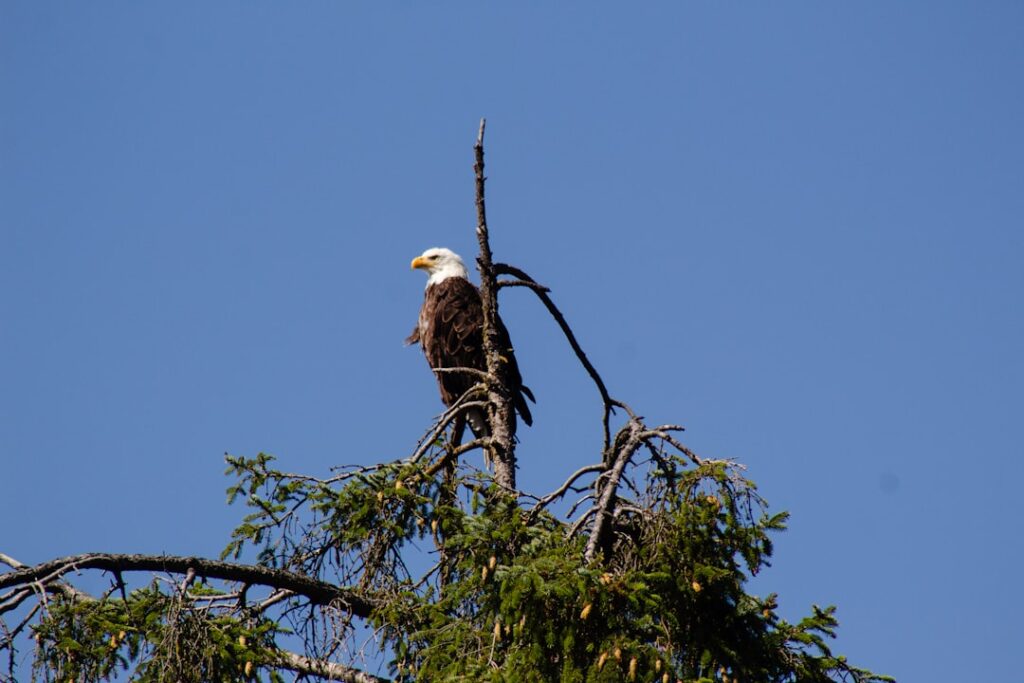
Living in Sequim, WA, nestled between the Olympic Mountains and the Strait of Juan de Fuca, we’re fortunate to share our environment with an incredible range of wildlife. From black-tailed deer grazing in open fields to the occasional bobcat sighting along the Dungeness River Trail, our coexistence with wild animals is part of Sequim’s rural charm. But, as in any community close to nature, misinformation and myths about wildlife are common—sometimes shaping how we interact with the creatures around us, sometimes putting both animals and ourselves at risk.
Let’s address some of the most persistent myths about wild animals, set the record straight based on science, and offer practical advice tailored for those living in and around Sequim.
Myth 1: “If you see a wild animal during the day, it must be sick.”
While many wild animals in the Sequim area are naturally more active at dawn or dusk, it’s not unusual to spot them during the day, especially in spring and summer. This doesn't necessarily signal rabies or disease. The long daylight hours on the Olympic Peninsula can alter animal activity patterns, and increased human presence may encourage creatures to become more visible during “off hours” in search of food.
- Deer are often seen in open spaces at all times of day, especially during fawning season.
- Raccoons and coyotes may shift to daylight activity in quieter neighborhoods.
Takeaway: Keep your distance regardless of the time of day. Daytime activity alone isn’t a sign of illness—but erratic behavior, excessive drooling, or obvious injury might be.
Myth 2: “Feeding wild animals helps them survive.”
This is a kindness that backfires. While it’s tempting to feed the deer who pop into your backyard or toss bread to ducks at local parks like Carrie Blake, feeding wild animals can actually do more harm than good.
- It disrupts natural foraging and hunting instincts.
- It can make animals reliant on humans, diminishing their survival skills.
- It may create unnatural concentrations of animals, raising disease risks.
- Human foods are often nutritionally poor, potentially causing illness.
Takeaway: Enjoy wildlife from a distance. Let them find their natural food sources, for their own well-being and yours.
Myth 3: “Wild animals will attack people unprovoked.”
Aggressive encounters are exceedingly rare in Sequim. Most animals are far more interested in avoiding humans than seeking them out. Black bears, coyotes, and even cougars are secretive and typically flee when detected.
Aggression is usually triggered by:
- Surprising an animal, especially one with young nearby
- Trying to touch, feed, or rescue apparently orphaned babies
- Allowing unsupervised pets to approach wildlife
Takeaway: Stay alert on trails—make your presence known with conversation or a bell, and leash your dog. Give wild animals space and avoid interacting directly.
Myth 4: “If a wild baby animal is alone, it needs rescuing.”
Spring in Sequim brings an abundance of wildlife babies, from fawns hiding in tall grass to fledgling birds fluttering on the ground. It’s natural for young animals to spend time alone as their parents forage or encourage them to become independent.
- Mother deer leave fawns hidden to avoid attracting predators.
- Birds often leave the nest before they can fully fly and will be watched and fed by parents nearby.
Takeaway: If you see a baby animal, observe from a distance. Unless it’s clearly injured or in immediate danger, leave it be—the parents are usually close by.
Myth 5: “All wild animals carry disease.”
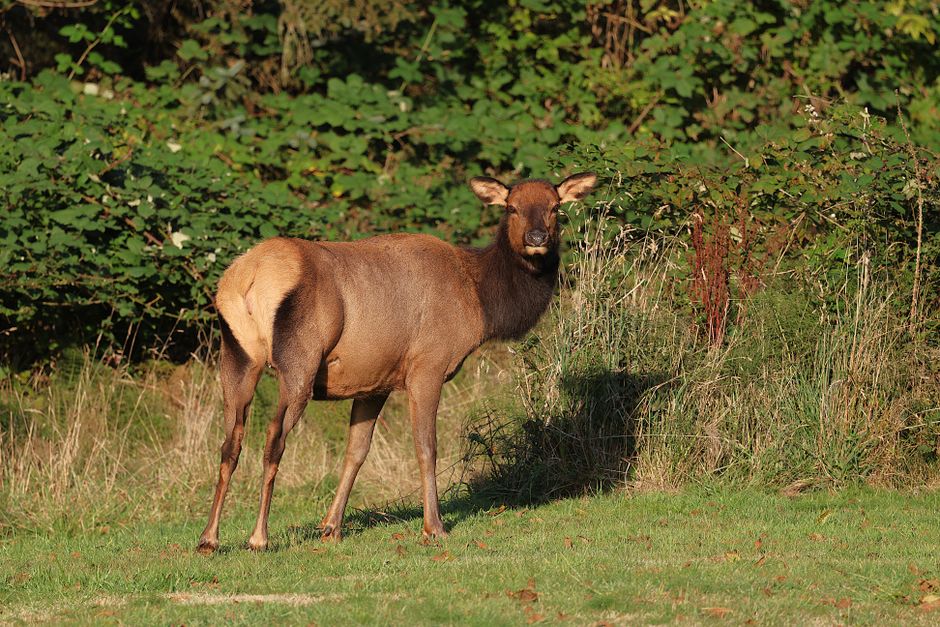
While certain zoonotic diseases exist, the general risk to humans is very low when animals are observed from a distance and not handled. In Sequim, there’s no reason for undue alarm about rabies or other illnesses if you’re simply sharing the outdoors with local critters.
- Don’t touch or pick up wild animals.
- Teach children to look, not touch.
- Always wash hands if you’ve accidentally come into contact with animal droppings or surfaces.
Takeaway: Observe common sense safety, and you’ll avoid the vast majority of risk.
Myth 6: “Encroaching wildlife is a sign that something is wrong.”
Sequim’s boundaries blur with wild habitat. Subdivisions intermingle with fields, forests, and streams. Wildlife sightings near homes don’t mean “nature is out of control”—it’s a normal part of our unique landscape.
- New development can lead to increased sightings as animals navigate changed habitat.
- Seasonal changes, food availability, and weather prompt temporary increases in visibility.
Takeaway: Use fences or wildlife-safe landscaping to manage what comes into your yard, and secure garbage, bird feeders, and pet food to discourage unwanted visits.
Myth 7: “Predators like coyotes, bears, and cougars shouldn’t be in our neighborhoods.”
Predators are a vital component of local ecosystems, helping control populations of smaller mammals and keep environments balanced. Sequim residents occasionally spot coyotes or hear tales of a passing bear or elusive cougar, but these encounters are normal.
- Predators help manage rodent and deer populations, which benefits gardens, farms, and natural habitats alike.
- They generally pose little threat to people, especially when left undisturbed.
Takeaway: Respect their space. Report concerning behavior to authorities, but remember that sharing land with predators is a mark of a healthy ecosystem.
Embracing Wildlife Wisdom
Wild animals add immeasurable value to the Sequim way of life, enriching our community and connecting us to the natural rhythms of the Olympic Peninsula. The best approach is awareness rooted in science, respect for wild boundaries, and a commitment to peaceful coexistence. Let’s debunk old myths, share the right information, and ensure that both people and wildlife thrive in our beautiful part of Washington.