

 See My Latest Article on HelloNation
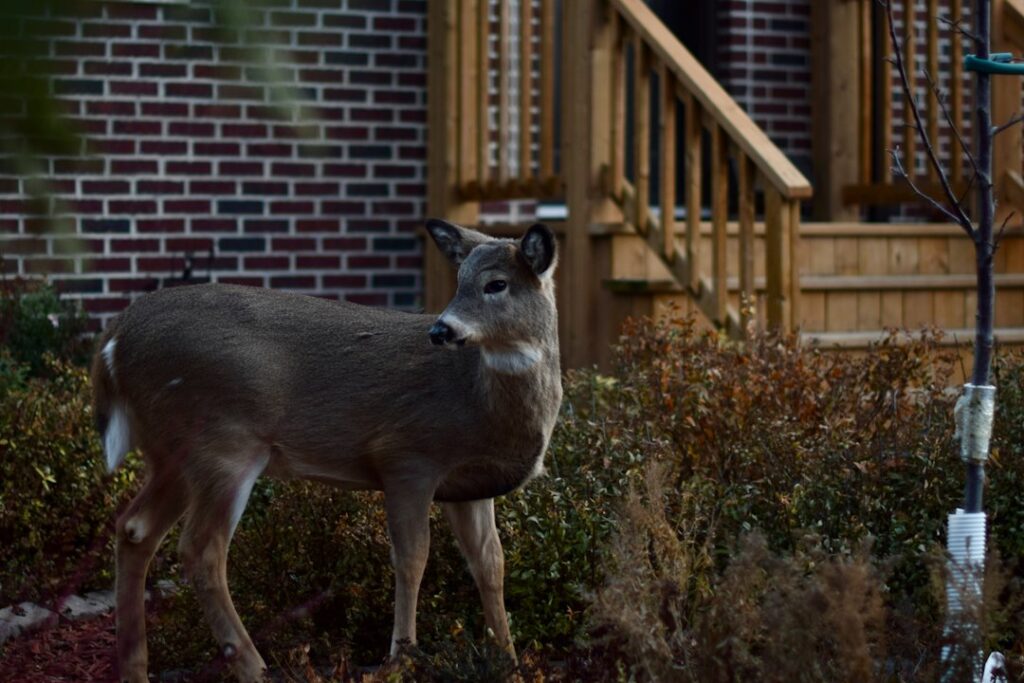
Wild animals are often most interesting when they are behaving naturally. In Sequim, WA, residents may see deer along roadsides, songbirds in garden shrubs, raccoons near garbage areas, waterfowl around wetlands, and smaller mammals moving through wooded or rural edges. The safest general rule is simple: do not feed wild mammals, and treat bird feeding as an optional activity that requires careful management.
Food placed outdoors can change animal behavior, spread disease, attract predators, and create conflicts with neighbors, pets, and vehicles. Supporting habitat is usually safer and more beneficial than putting out food.
Is it legal to feed wildlife in Washington?
Feeding deer, elk, or moose is illegal in Washington under rules that took effect in 2025. It is also prohibited to place food for other wildlife if it causes deer, elk, or moose to gather.
The concern is not only property damage. Concentrating animals at feeding sites increases the likelihood of disease transmission, vehicle collisions, aggressive behavior, and dependence on human-provided food. State law also prohibits feeding or negligently attracting large wild carnivores such as bears and cougars.
Wildlife feeding is prohibited in Washington state parks unless an authorized exception applies. Local rules may also address nuisance animals, sanitation, or activities that create hazards. Residents should not assume that feeding is acceptable simply because food is placed on private property.
Why is feeding deer harmful?
Deer are capable of finding natural food throughout the year, even when a yard appears sparse. In the Sequim area, landscaped properties, wooded margins, hedgerows, fields, and roadside vegetation can provide many different food sources.
Human-provided food creates several problems:
- Grain, bread, fruit, hay, and other foods may not provide the right balance of nutrients.
- A sudden change in diet can cause digestive problems.
- Feeding sites bring animals into unusually close contact, allowing diseases to spread more easily.
- Deer that become comfortable around homes may browse gardens, cross roads more often, or approach people.
- Concentrated deer can attract predators and increase the risk of collisions.
- Other animals may be drawn to the same food, even when they were not the intended visitors.
Young deer seen alone are not necessarily abandoned. A doe may leave a fawn hidden for hours while she feeds nearby. Offering food can interfere with this natural behavior and draw attention to an animal that may be healthy and appropriately cared for by its mother.
Is it okay to feed birds?
Bird feeding is different from feeding deer or other mammals, but it is not risk-free. A well-maintained bird feeder can provide viewing opportunities and may help people notice seasonal changes in local bird life. However, feeders should not be treated as a way to rescue birds from ordinary winter weather or replace natural habitat.
If a household chooses to maintain a feeder, practical safeguards matter:
- Use appropriate birdseed rather than bread, salty foods, sweets, or leftovers.
- Keep feeders clean and remove wet, moldy, or spoiled food.
- Position feeders where cats cannot easily ambush birds.
- Avoid placing seed directly on the ground, where it can attract rodents, raccoons, and larger wildlife.
- Use only a manageable amount of food so that it is consumed promptly.
- Clean up spilled seed beneath the feeder.
- Temporarily remove feeders if sick birds appear, especially birds showing weakness, crusted eyes, or unusual behavior.
- Store seed in a secure container that cannot be reached by rodents or other wildlife.
Bird feeders can attract more than songbirds. Deer, bears, squirrels, rats, crows, and other animals may investigate fallen seed or suet. In homes near wooded areas or open land, that attraction can create problems quickly. During periods when bears are active, removing feeders and securing garbage, compost, pet food, and ripe fruit is the safer choice.
What should you feed wild birds?
If feeding birds is allowed and carefully managed, common choices include quality seed blends suited to the birds that naturally occur in the area. Black-oil sunflower seed is widely used because many seed-eating birds can handle it, while nyjer seed may appeal to finches. Suet can attract insect-eating birds during cool weather but should be protected from heat and from animals that may carry it away.
There is no need to feed bread to ducks, geese, or other waterfowl. Bread fills birds without providing the nutrition they need and can contribute to poor water quality when uneaten pieces accumulate. Feeding waterfowl by hand also encourages them to approach people, paths, and roads.
Do not offer meat scraps, pet food, dairy products, or kitchen leftovers. These foods can attract wildlife that a household did not intend to invite.
What about squirrels, raccoons, or opossums?
These animals should not be intentionally fed. They are adaptable foragers and can locate natural foods around gardens, compost areas, fallen fruit, sheds, and unsecured garbage.
Feeding can make them lose their natural caution around people. Once an animal begins associating homes with food, it may enter buildings, damage property, raid containers, or become aggressive when food is unavailable. Raccoons can also spread contamination around feeding areas, while squirrels may chew structures or bury food in gardens.
The better approach is to remove attractants:

- Feed pets indoors and bring bowls inside promptly.
- Secure garbage and compost containers.
- Pick up fallen fruit.
- Keep livestock feed in wildlife-resistant storage.
- Clean barbecue surfaces and outdoor cooking areas.
- Close openings beneath decks, sheds, and porches only after confirming that no animals are inside.
How can residents help wildlife without feeding it?
Habitat is the most reliable form of support. Native and regionally appropriate plants can provide berries, seeds, nectar, insects, cover, and nesting sites. A yard does not need to be completely wild to be useful. Even a few dense shrubs, mature trees, leaf-covered areas, or undisturbed corners can offer shelter.
A shallow, clean water source may help birds and insects, but it must be maintained. Change the water regularly, scrub the container, and provide a shallow edge or rough surface so small animals can get out if they fall in. Avoid creating deep, difficult-to-clean basins.
Other helpful practices include:
- Leave some fallen leaves in natural areas rather than removing every leaf.
- Keep cats indoors or use secure outdoor enclosures.
- Reduce unnecessary nighttime lighting.
- Avoid trimming shrubs during active nesting periods when possible.
- Use window markers or screens where birds repeatedly strike glass.
- Observe wildlife from a distance rather than approaching or handling it.
What should you do if an animal appears to need help?
Do not feed an injured, sick, or apparently orphaned wild animal while deciding what to do. Food can worsen some medical conditions, and handling can increase stress or cause injury.
A young animal alone may be normal, especially if it is alert, quiet, and not visibly injured. Signs that warrant guidance include bleeding, difficulty breathing, entanglement, obvious broken bones, repeated calling near a dead parent, or an animal that cannot move normally.
Keep people and pets away, avoid taking the animal indoors, and seek advice from the appropriate wildlife authority or licensed rehabilitator. In an immediate human-safety situation involving a large predator, leave the area and contact emergency or wildlife officials.
For most households, the best wildlife-feeding policy is straightforward: do not feed mammals, never feed large carnivores, and maintain bird feeders only if they can be kept clean, controlled, and free from attracting unwanted wildlife. In the long term, safe habitat, clean water, secure waste, and respectful distance help wild animals more than handouts do.