

 See My Latest Article on HelloNation
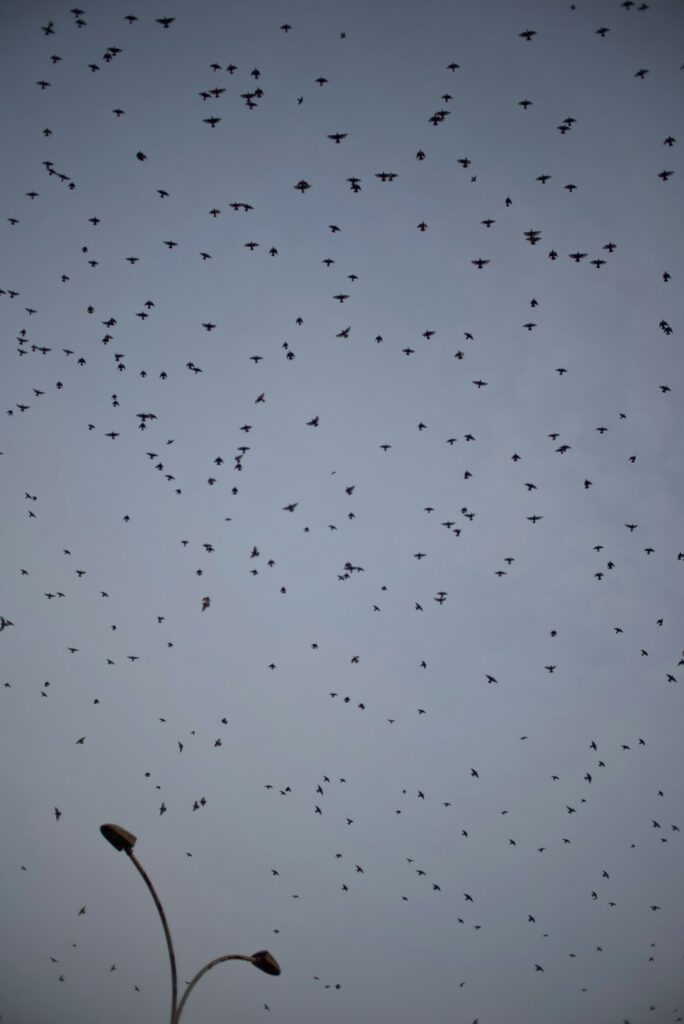
Artificial light at night changes more than the appearance of the sky. It can alter when wildlife feeds, migrates, mates, rests, and moves through habitat. In Sequim, WA, where homes, roads, farms, wetlands, wooded areas, and shoreline habitats meet, outdoor lighting can affect animals far beyond the property where a fixture is installed.
Light pollution includes excessive brightness, glare, light shining where it is not needed, and skyglow—the brightening of the night sky over developed areas. Even modest residential lighting can become part of a larger pattern when many properties use bright, unshielded fixtures throughout the night.
Which wildlife is most affected by artificial light?
Nocturnal animals and species that migrate or navigate at night are generally most sensitive. This includes bats, moths and other insects, frogs, owls, night-flying birds, and many mammals that move or forage after dark.
Artificial light can also affect animals that are active during the day. A brightly lit area may change where prey gather, where predators hunt, and how animals use cover. The result is not always an obvious decline in wildlife. Sometimes the effect is a shift in behavior that makes habitat less suitable over time.
In the local community, light may reach:
- Tree lines and hedgerows used by bats and migrating birds
- Gardens and native plants visited by nighttime insects
- Ditches, ponds, and wet areas used by frogs and other amphibians
- Rural edges where mammals travel between feeding and resting areas
- Open skies used by birds during seasonal migration
How does light pollution affect birds?
Nighttime lighting can disorient migrating birds. Many species travel after sunset and use the stars, the moon, and other natural cues to maintain direction. Bright lights can draw birds toward buildings, towers, windows, and other obstacles.
Birds may circle illuminated areas, lose energy, or collide with reflective glass. A single porch light is unlikely to create the same risk as a large, brightly lit structure, but many unnecessary lights can contribute to a brighter night environment.
Light can also affect birds after they arrive. Some species begin singing, feeding, or defending territory earlier than they normally would. Others may avoid a lit area because it no longer provides the darkness needed for resting or avoiding predators.
Residents can reduce risk during spring and fall migration by turning off unnecessary exterior lights, closing blinds after dark, and using window coverings in rooms that remain brightly lit. This is especially useful for homes near trees, open fields, water, or other areas where birds may travel.
Why are insects drawn to outdoor lights?
Many flying insects are attracted to artificial light or become confused by it. Instead of moving through the landscape to feed, reproduce, or pollinate plants, they may circle a lamp until they are exhausted.
Lights can also make insects easier for predators to find. This concentrates prey in one small area while leaving other parts of the habitat with fewer insects. Over time, that can affect bats, birds, amphibians, and plants that depend on insects for food or pollination.
Not every insect responds to light in the same way. Some avoid illuminated areas, creating gaps in otherwise connected habitat. A bright light near a garden, drainage area, or tree line may therefore affect both insects that gather and species that stay away.
Warmer-colored bulbs, lower brightness, motion sensors, and fully shielded fixtures can reduce these effects. No lighting choice eliminates all ecological impact, but limiting brightness and duration generally causes less disruption than keeping bright, cool-colored lights on all night.
What does light pollution do to bats?
Artificial light can change where bats hunt and travel. Some bat species may take advantage of insects gathered around a lamp, while others avoid illuminated areas altogether. For light-sensitive bats, a bright fixture can function like a barrier across a flight route.
This matters because bats often move along natural edges such as tree lines, streams, hedges, and woodland margins. Lighting those corridors may break up access between roosting areas and feeding habitat.
Outdoor lights near barns, sheds, mature trees, water features, or wooded boundaries should be directed only where needed. A fixture that shines across a whole yard or into nearby vegetation can affect wildlife well beyond the intended area.
Can lighting affect frogs and other amphibians?
Yes. Amphibians depend on darkness, moisture, and quiet conditions for feeding, movement, and reproduction. Light near ponds, wetlands, ditches, and damp vegetation may change when frogs call, where they forage, and how they avoid predators.
Insects gathering around a light may appear to create more food, but that food is concentrated in an unnatural location. At the same time, some amphibians may avoid the illuminated area, reducing access to feeding or breeding habitat.
Because water reflects light, a fixture near a pond or wetland can spread illumination farther than expected. Shielding the source, lowering its brightness, and turning it off when the area is not in use are practical ways to protect dark habitat.
Does light pollution change predator and prey behavior?

It can. Some predators hunt more successfully around lights because insects or small animals become easier to see. Other predators avoid bright areas, while prey species may stop using familiar paths or feeding locations.
This creates an uneven nighttime landscape. A well-lit yard may attract certain animals while discouraging others, changing relationships that normally occur under natural darkness. These effects are difficult to see from one evening to the next, but they can accumulate when lighting is widespread.
Light can also alter seasonal timing. Many animals use the length and darkness of night as environmental signals. Artificial illumination may interfere with movement, dormancy, breeding, and other behaviors that are tied to natural day-night cycles.
What outdoor lighting is safer for wildlife?
Wildlife-friendly lighting begins with using less light, for less time, over a smaller area. Residents can review each fixture and ask whether it is necessary, where the light goes, and whether it must remain on throughout the night.
Helpful practices include:
- Turn off decorative and security lighting when it is not needed.
- Use timers, dimmers, or motion sensors instead of continuous lighting.
- Choose the lowest brightness that safely serves the purpose.
- Use warm-colored light rather than blue-white or very cool light.
- Select fixtures with full shielding so light points downward.
- Keep lights away from ponds, tree lines, hedges, and natural travel routes.
- Close curtains or blinds where indoor light shines toward windows.
- Avoid aiming floodlights across yards, fields, or neighboring habitat.
Motion-activated lighting should be adjusted carefully. If it activates repeatedly from moving branches, pets, or passing wildlife, it may remain disruptive even though it is technically not always on.
Is complete darkness necessary?
No. People need safe visibility around entrances, steps, driveways, and paths. The goal is not to eliminate all outdoor lighting but to avoid unnecessary illumination and reduce glare, spill, and skyward light.
A well-designed light can improve human safety while leaving surrounding habitat darker. Shielding is especially useful because it directs light toward the ground instead of into eyes, windows, trees, and the night sky.
For households in the area, the most meaningful changes are often simple: switch off unused lights, replace overly bright fixtures, and protect naturally dark portions of the property. Those steps help preserve the nighttime conditions that wildlife use to navigate, feed, rest, and reproduce.