

 See My Latest Article on HelloNation
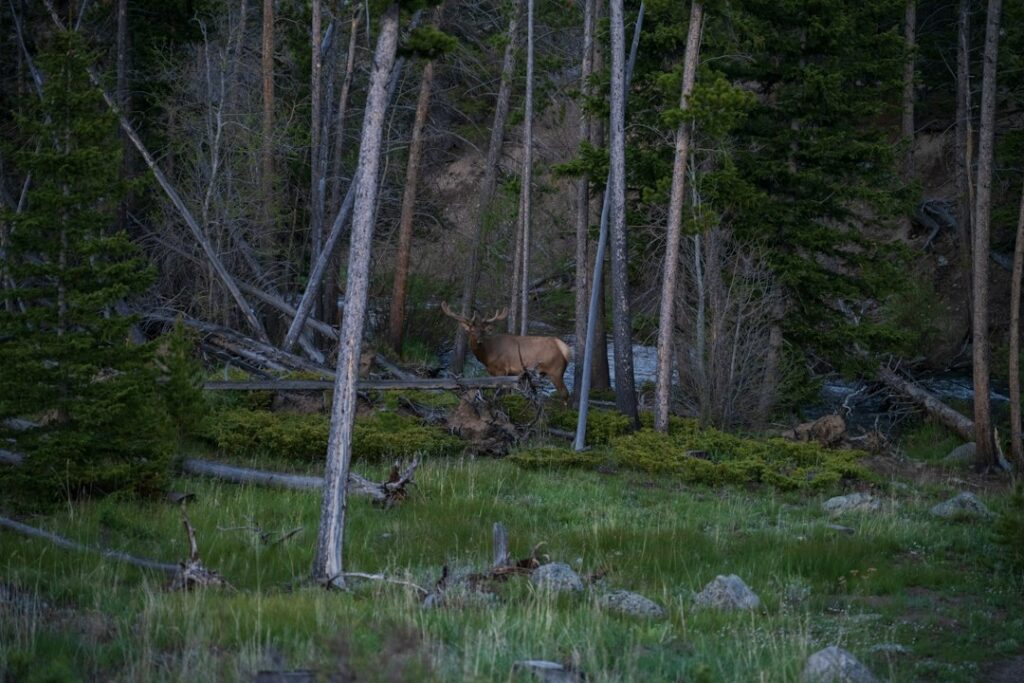
Wildlife corridors are connected strips of habitat that allow animals to move between larger natural areas. In Sequim, WA, these connections can help wildlife find food, water, shelter, breeding partners, and seasonal habitat while reducing the isolation that can push vulnerable populations toward extinction.
What is a wildlife corridor?
A wildlife corridor is a natural or restored route linking separate habitat areas. It may follow a stream, wetland, forested slope, shoreline, hedgerow, or other relatively undeveloped strip of land.
Some corridors are wide enough to support animals throughout their daily lives. Others are narrow passageways used mainly for travel between feeding, nesting, breeding, and resting areas. A corridor does not have to look untouched to be useful. Farms, low-density open space, stream buffers, and lightly developed land can sometimes help animals move across a fragmented landscape.
In the Sequim area, riparian corridors along streams, wetland edges, wooded ravines, marine shorelines, and steep slopes can provide food, cover, and routes with less human disturbance. These areas are especially valuable where roads, fences, homes, and other development have divided formerly continuous habitat.
Why does habitat fragmentation increase extinction risk?
Habitat fragmentation occurs when a large, connected natural area is divided into smaller pieces. Roads, buildings, utility infrastructure, intensive landscaping, and other changes can separate animals from resources they once reached easily.
Small, isolated populations face several problems:
- Fewer opportunities to find mates
- Reduced genetic diversity
- Greater risk from disease, severe weather, fire, or food shortages
- Difficulty recolonizing an area after a local population disappears
- Increased exposure to roads, fencing, pets, lighting, and human activity
A population may appear stable for years while quietly losing genetic health. If animals cannot mix with neighboring populations, inbreeding can become more likely. A single storm, disease outbreak, or loss of a food source may then have a much larger effect.
Corridors do not eliminate these risks, but they give animals more options. Movement between habitat patches allows populations to exchange genes, find new territories, and recover after local setbacks.
How do corridors help prevent extinction?
The most direct benefit is safe movement. Wildlife often needs to travel farther than people expect to reach water, seasonal food, nesting areas, or shelter. Elk may shift between seasonal ranges. Fish and amphibians depend on connected waterways. Small mammals, reptiles, and birds may use vegetation along streams or field edges to avoid open ground.
Corridors also support what biologists call a connected population. Instead of treating every small group as isolated, a connected landscape allows animals from different areas to interact over time. If one local group declines, individuals from another area may help restore it.
This matters for species with specialized habitat needs. A wetland may provide breeding conditions, while nearby woodland offers shelter. A stream may supply water and movement cover, while upland habitat provides feeding or nesting sites. Protecting only one of these areas may not be enough if the others cannot be reached.
Connected habitat also helps wildlife respond to environmental change. As temperature, rainfall, vegetation, and water conditions shift, animals may need to move to more suitable locations. Corridors provide pathways for that adjustment instead of leaving populations trapped in shrinking or unsuitable habitat.
Why are roads such a serious problem?
Roads can harm wildlife in two ways: collisions kill animals directly, and traffic can discourage animals from crossing at all. A busy roadway may become a nearly complete barrier, separating animals on opposite sides.
Even roads with lighter traffic can be dangerous for species that move slowly or travel close to the ground. Frogs, salamanders, snakes, and small mammals may cross during wet or seasonal movements when drivers cannot see them easily.
In the Sequim area, motorists may encounter wildlife near wooded edges, open fields, stream crossings, and routes connecting larger habitat areas. Warning signs can improve awareness, but signs alone do not reconnect habitat. More effective long-term solutions may include carefully designed underpasses, overpasses, fencing that guides animals toward safe crossings, and culverts that maintain passage for smaller species.
A crossing structure works best when it connects genuine habitat on both sides. A bridge or tunnel placed in the wrong location may receive little use, while a modest structure near an established movement route can be highly valuable.
Are streams and wetlands wildlife corridors?
Often, yes. Stream corridors and wetland systems are among the most important movement routes in developed or agricultural landscapes because they commonly retain vegetation, water, shade, and cover.
These areas can support fish, amphibians, waterfowl, songbirds, mammals, and insects at different points in their life cycles. Vegetated stream banks may also provide cooler conditions during hot weather and shelter from predators.
Protecting a corridor means preserving more than the water itself. Removing streamside vegetation, filling wetlands, adding bright lighting, or creating frequent human disturbances can reduce the corridor’s usefulness. Healthy buffers with native plants generally provide better cover and more dependable habitat than highly manicured edges.
Floodplains and wetland margins may look undeveloped or inconvenient for construction, but their open condition can be a major ecological benefit. They can store water, support wildlife movement, and maintain connections between larger habitat areas.
What can residents do on private property?

Individual properties cannot replace large protected areas, but many connected yards can improve movement through developed neighborhoods.
Helpful practices include:
- Planting native trees, shrubs, and ground cover in connected groups
- Leaving some leaf litter, fallen branches, and natural cover in appropriate areas
- Keeping stream edges and wetland margins vegetated
- Reducing unnecessary outdoor lighting near habitat
- Using wildlife-permeable fencing rather than solid barriers where practical
- Keeping cats indoors or closely supervised, especially during peak bird activity
- Avoiding the removal of every shrub or brushy edge
- Providing clean water sources that cannot trap or drown small animals
The goal is not to attract wildlife into unsafe situations. Food scraps, unsecured garbage, and intentional feeding can create conflicts and concentrate animals in unhealthy ways. Habitat improvements are most useful when they provide natural cover and allow animals to pass through without becoming dependent on people.
Does every open space function as a corridor?
No. A gap between buildings is not automatically useful habitat. Wildlife corridors need suitable cover, manageable levels of disturbance, and connections to places animals actually use.
A narrow strip may be valuable for a small amphibian but unsuitable for an elk. A brightly lit path may remain passable for some birds while discouraging nocturnal mammals. A fence opening may help one species while creating a trap or exposure risk for another.
Effective corridor planning considers species behavior, seasonal movement, road traffic, vegetation, water availability, predators, and human activity. Conservation decisions are strongest when they are based on field observations, wildlife tracking, road-collision data, and long-term habitat planning rather than appearance alone.
Why do corridors benefit people as well?
Well-designed corridors can reduce wildlife-vehicle collisions, protect water quality, lessen erosion, and preserve natural drainage. Streamside vegetation can help filter runoff, while connected open space can provide shade and support pollinators.
Corridors also make communities more resilient. Natural areas connected by wetlands, forests, and riparian vegetation are better able to support wildlife during drought, heat, flooding, and other disruptions.
For residents, the central idea is straightforward: wildlife needs access, not just acreage. A collection of isolated natural areas may provide less protection than a smaller network of habitats that remain connected. Protecting those links—especially along waterways, wetland edges, wooded slopes, and safe road-crossing points—can help local wildlife remain healthy across generations.