

 See My Latest Article on HelloNation
What wildlife is active at night in Sequim?
After sunset, local yards, fields, wooded edges, creeks, and shoreline habitats become active with animals that are difficult to notice during daylight. Common nighttime wildlife includes raccoons, striped skunks, bats, owls, coyotes, deer, and several small mammals.
The mix varies by habitat. Homes near wooded areas or streams may see raccoons and skunks, while open fields and rural edges are more likely to attract coyotes, owls, and hunting bats. The Dungeness area’s combination of water, agricultural land, residential properties, and wildlife habitat creates many opportunities for animals to move through after dark. Local habitat planning also identifies creek corridors, the Dungeness River, and bay areas as important wildlife connections. ([clallamcountywa.gov](https://www.clallamcountywa.gov/DocumentCenter/View/25012/Chapter-3103-Sequim-Dungeness-Regional-Plan–04022026?utm_source=openai))
Which animals are most likely to be seen after dark?
Raccoons
Raccoons are among the most adaptable nighttime animals in the community. They may travel along drainage areas, creek corridors, fences, and wooded edges while searching for insects, fruit, shellfish, pet food, garbage, or other easily available food.
A raccoon moving through a yard may be heard before it is seen. Common signs include overturned containers, disturbed mulch, tracks near water, or scratching beneath decks and sheds. Washington wildlife guidance notes that raccoons are usually observed at night, although they may appear during daylight when searching for food or resting. ([wdfw.wa.gov](https://wdfw.wa.gov/species-habitats/species/procyon-lotor?utm_source=openai))
Seeing a raccoon in daylight does not automatically mean it is sick. Concern is more justified if the animal is staggering, unusually aggressive, unable to move normally, or showing other obvious signs of illness.
Striped skunks
Skunks are mostly nocturnal and often travel slowly through lawns, gardens, pasture edges, and areas with loose soil. They may dig for grubs and other insects or investigate sheltered spaces beneath porches, sheds, decks, and outbuildings.
A skunk generally avoids people and sprays when cornered or attacked. Pets are more likely to be sprayed when they chase, bark at, or approach the animal. Secure poultry and other small domestic animals before nightfall, and keep food waste contained. Washington Department of Fish and Wildlife describes skunks as mild-tempered but defensive when threatened. ([wdfw.wa.gov](https://wdfw.wa.gov/species-habitats/living/species-facts/skunks?utm_source=openai))
Bats
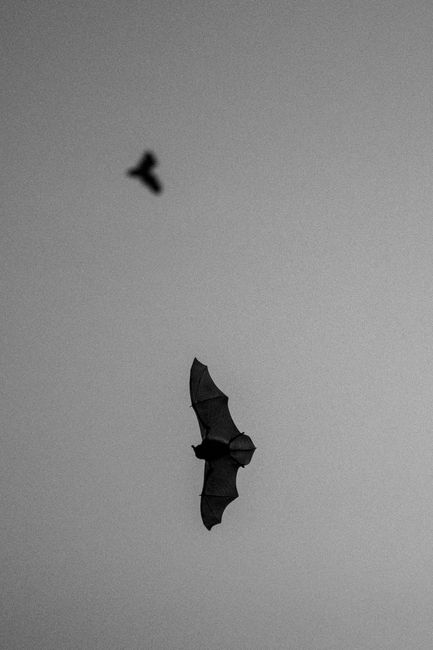
Bats may be visible around outdoor lights, ponds, tree lines, and open areas where insects gather. They are active fliers rather than ground-foraging animals, so a bat circling overhead is usually hunting insects.
Several bat species use low-elevation forests, riparian areas, ponds, streams, and other moist habitats in western Washington. The Yuma myotis, for example, is considered common in parts of the Olympic Peninsula and often forages near water. ([wdfw.wa.gov](https://wdfw.wa.gov/species-habitats/species/myotis-yumanensis?utm_source=openai))
A bat found outdoors on a warm evening is usually behaving normally. A bat inside a living space, on the ground, or unable to fly should not be handled bare-handed. Keep people and pets away and seek current wildlife guidance before attempting removal.
Owls and other nighttime birds
Owls are easiest to detect by sound. Calls may come from large trees, wooded edges, utility corridors, or secluded areas near open ground where prey is available. Depending on habitat, residents may hear larger owls calling from mature trees or smaller owls making sharper, repeated sounds closer to homes.
Owls hunt rodents and other small animals, helping regulate populations around fields, gardens, barns, and residential edges. Outdoor lighting can make them harder to observe because many species depend on darkness and concealment.
Other birds may also move at night during migration. A bird striking a window after dark may have been disoriented by indoor or outdoor lighting rather than actively feeding.
Coyotes
Coyotes may travel at night through open fields, brushy edges, undeveloped parcels, and corridors along streams or drainage routes. Their presence is often revealed by yipping, howling, tracks, scat, or motion captured by a security camera.
A coyote seen at a distance is generally not an immediate threat. Problems are more likely when coyotes find dependable food, such as unsecured garbage, fallen fruit, outdoor pet food, poultry, or small pets left unattended.
Keep cats indoors at night and supervise dogs outside, especially near brush, agricultural edges, or places where wildlife regularly passes. Do not intentionally feed coyotes or leave food outside to attract wildlife.
Why does wildlife become more active after sunset?
Night activity reduces exposure to heat, people, traffic, and some predators. It also gives certain animals better access to their preferred food. Raccoons can search quietly, skunks can forage in cooler conditions, bats can feed on flying insects, and owls can hunt using hearing and low-light vision.
Seasonal conditions also change what residents notice. Longer summer evenings may extend animal activity into dusk, while winter’s early darkness makes nighttime movement more visible during normal household routines. Wet ground can make tracks easier to find, and dry weather may concentrate animals near water sources.
The city’s mix of established neighborhoods, rural properties, gardens, wooded parcels, drainage features, and nearby shoreline habitat means wildlife can move through areas that appear highly residential during the day.
What sounds and signs should residents look for?
Nighttime wildlife is often identified indirectly. Useful clues include:
- Scratching or rustling beneath a deck, porch, shed, or crawl space
- Tracks in mud, soft soil, or damp garden beds
- Scattered garbage or opened containers
- Small holes caused by skunks searching for insects
- Repeated movement along the same fence line or path
- Owl calls, coyote vocalizations, or repeated animal cries
- Bat activity around lights or above ponds
- Droppings near trails, rooflines, woodpiles, or feeding areas
If an animal is not seen, note the time, location, sound, odor, and type of damage. Washington wildlife guidance recommends identifying the species and locating the entry point before taking action around a structure. The presence of young animals must also be considered, especially during spring and early summer. ([wdfw.wa.gov](https://wdfw.wa.gov/species-habitats/living/nuisance-wildlife/evicting?utm_source=openai))
How can households reduce unwanted nighttime visits?
Most nighttime wildlife problems begin with an easy food source or an accessible shelter.
Practical steps include:
- Bring pet food and water indoors before dark.
- Use secure lids on garbage and compost containers.
- Harvest fallen fruit and clean up spilled birdseed.
- Keep poultry in a secure enclosure overnight.
- Block openings beneath porches, sheds, and decks only after confirming that no animals or young are inside.
- Trim dense vegetation near doors, walkways, and animal enclosures.
- Use motion-sensitive lighting sparingly rather than leaving bright lights on all night.
- Keep cats indoors and supervise dogs outside after dark.
Removing one animal without correcting the food or shelter source rarely solves the underlying problem. A different animal may use the same opening or return when conditions remain favorable.
When is nighttime wildlife a safety concern?
Give wildlife space, particularly if an animal is cornered, trapped, injured, or protecting young. Do not approach, feed, chase, or attempt to handle wild mammals.
Extra caution is appropriate when:
- A wild animal behaves aggressively without being provoked.
- An animal appears disoriented, unusually tame, or unable to move normally.
- A bat has had possible contact with a person or pet.
- A large amount of animal waste is present in an enclosed area.
- An animal is trapped inside a wall, attic, chimney, or crawl space.
- Young animals are present and the adult cannot be safely excluded.
Droppings can contain organisms harmful to people, and removing animals from precarious spaces can create additional hazards. Washington Department of Fish and Wildlife recommends added care when dealing with accumulated waste, mothers with young, or unsafe locations. ([wdfw.wa.gov](https://wdfw.wa.gov/species-habitats/living/nuisance-wildlife/evicting?utm_source=openai))
Nighttime wildlife is a normal part of the local environment. Careful observation, secure food storage, and respect for animal space usually prevent conflicts while allowing residents to better understand what is moving through the community after dark.