

 See My Latest Article on HelloNation
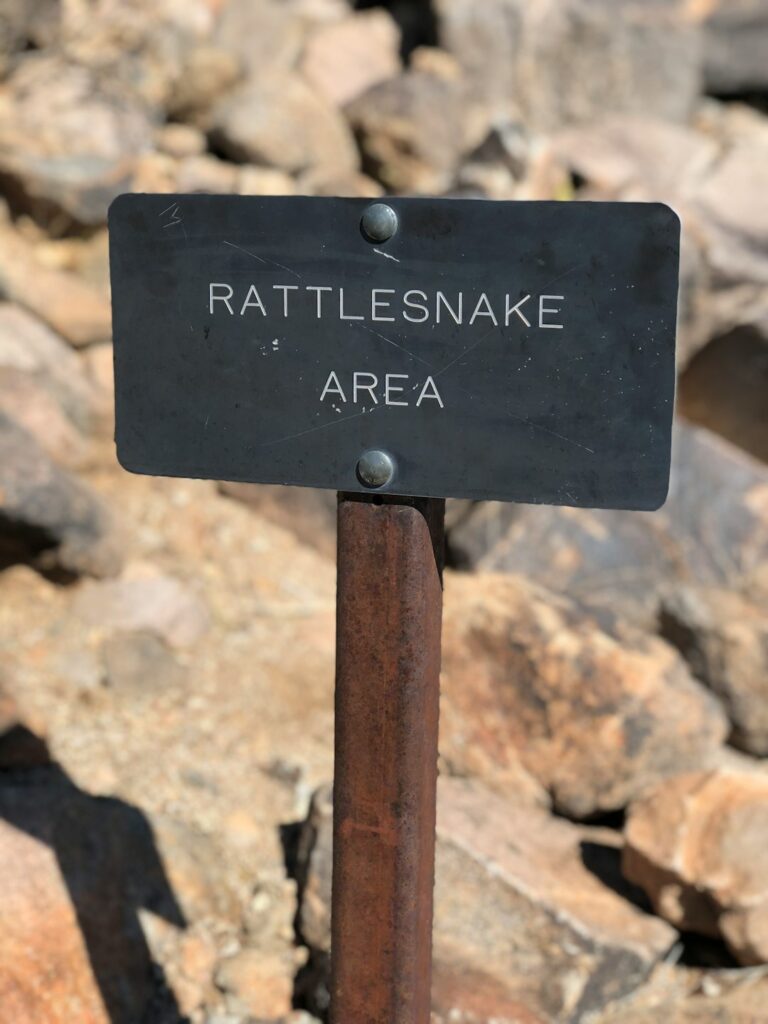
What should you do first if you find a snake?
If a snake appears on your property in Sequim, WA, keep people and pets away, give the animal plenty of space, and avoid touching it. Most snakes encountered around homes are nonvenomous and will move away if they are not cornered.
Do not try to identify a snake by picking it up, blocking its escape route, or moving close enough for a photograph. Washington has many harmless native snakes, but the Western rattlesnake is the state’s only venomous snake. Misidentifying a harmless snake can also lead to unnecessary harm to wildlife.
The safest first steps are:
- Bring children and pets indoors or keep them well away from the area.
- Stay at least six feet away when possible.
- Watch the snake from a safe location so you know where it goes.
- Keep doors to the house, garage, and sheds closed if the snake is outside.
- Do not use a shovel, broom, hose, chemical repellent, or other object to threaten it.
A snake in a garden, along a fence, or near a woodpile is usually best left alone. It may be traveling between shelter and feeding areas, especially during warm weather.
How can you tell whether a snake may be dangerous?
Do not rely on color or body markings alone. Several harmless snakes can resemble rattlesnakes by coiling, hissing, or vibrating the tip of the tail in dry grass.
A possible rattlesnake should be treated cautiously if it has a broad, triangular-looking head, a noticeably narrow neck, vertical pupils, a patterned body, and a rattle or small rattle button at the end of the tail. Young rattlesnakes may have less obvious rattles.
A snake that is moving quickly, flattening its head, or hissing is not necessarily venomous. These are defensive behaviors used by some nonvenomous species. Garter snakes, for example, may strike or release a strong-smelling musk if they feel threatened.
If the species is uncertain, do not approach it. Distance is more useful than a close inspection.
What is the safest way to remove a nonvenomous snake from a building?
A snake inside a house, garage, shed, or other structure should be given a clear route outside. Close interior doors to limit its movement, then open an exterior door that leads directly outdoors. From a distance, a person may gently guide the snake toward the exit with a long-handled broom, but should never poke, pin, or strike it.
If the snake disappears behind furniture, appliances, stored materials, or wall openings, do not reach into the hiding place. A frightened snake may bite when someone puts a hand near it, even if it is a harmless species.
Instead:
- Close the room and place a towel along the bottom of the door if needed.
- Keep pets and children away.
- Remove nearby clutter only if it can be done without approaching the snake.
- Avoid using glue traps, poisons, or makeshift traps.
- Watch for the snake to reappear and leave on its own.
For a small snake that is clearly nonvenomous and contained in an open area, an upside-down bucket or wastebasket can sometimes be placed over it from a safe position. A board or piece of cardboard can then be slid underneath. This should not be attempted with a rattlesnake or any snake that cannot be confidently identified.
Should you move a snake from the yard?
Usually, no. A snake outdoors is generally not trapped and does not need to be relocated. Moving it can increase the chance of a bite and may place the animal in unfamiliar habitat where it is less likely to survive.
In the area around Sequim, snakes may be associated with grassy edges, brush, rock piles, wet areas, gardens, sheds, and places where rodents or amphibians are present. Seeing one does not necessarily mean there is an infestation or a nest nearby. Many snakes pass through a yard only briefly.
If a snake is blocking a walkway, driveway, or other essential area, wait for it to move if possible. Most will seek cover once people and pets leave. If it remains in a high-traffic location or appears to be a rattlesnake, keep everyone away and seek guidance from an appropriately qualified wildlife handler or emergency authority when there is an immediate safety concern.
What should you do if a rattlesnake is near the house?
Back away slowly and give the snake a wide, unobstructed escape route. Do not attempt to capture, kill, photograph, or drive it away. A rattlesnake usually bites defensively when it is cornered, stepped on, or deliberately disturbed.
Keep pets indoors and prevent people from approaching the area. If the snake is beside a doorway, in a play area, or in another location where people or animals cannot safely avoid it, treat the situation as an immediate hazard and request assistance through the appropriate local emergency or wildlife-control channel.

Do not assume a rattlesnake is harmless because it is small, quiet, or not actively rattling. Rattling is a warning behavior, not a requirement for the snake to bite.
What should you do after a snakebite?
A suspected rattlesnake bite requires immediate emergency medical attention. Keep the person calm and still, remove rings or tight items before swelling begins, and keep the affected limb below heart level when practical. Call emergency services and follow the dispatcher’s instructions.
Do not cut the wound, suck out venom, apply ice, use a tourniquet, or give alcohol or stimulants. Do not delay treatment while trying to identify the snake or capture it.
A bite from a nonvenomous snake should be washed thoroughly with soap and water. Seek medical advice if the wound is deep, continues bleeding, becomes red or swollen, or shows signs of infection. Anyone with unusual swelling, breathing difficulty, dizziness, or other concerning symptoms should receive prompt medical care.
Pets need urgent veterinary attention after any suspected rattlesnake bite. Do not try to catch the snake for identification.
How can households reduce future snake encounters?
The most effective prevention is to reduce easy access to shelter, food, and buildings. Snakes often follow prey, particularly mice and other small animals, rather than seeking people.
Helpful property changes include:
- Seal foundation gaps, crawl-space openings, and cracks larger than about one-quarter inch.
- Repair loose siding and gaps around pipes, vents, doors, and utility lines.
- Use tight-fitting door sweeps and keep garage doors closed when not in use.
- Store firewood, lumber, and unused materials off the ground and away from walls.
- Remove dense piles of scrap, boards, and debris near entrances.
- Keep spilled birdseed and pet food from attracting rodents.
- Trim vegetation that touches the foundation while preserving natural habitat farther from buildings.
- Check work gloves, boots, toys, and stored items before using them outdoors.
- Use a flashlight when walking near sheds, woodpiles, or brush after dark.
Avoid relying on commercial snake repellents, mothballs, or household chemicals. These methods are often ineffective and may expose people, pets, soil, or other wildlife to unnecessary hazards.
Snakes provide ecological benefits by eating rodents, insects, and other prey. A calm response, careful exclusion work, and respect for the animal’s space usually prevent a brief wildlife encounter from becoming a dangerous one.