

 See My Latest Article on HelloNation
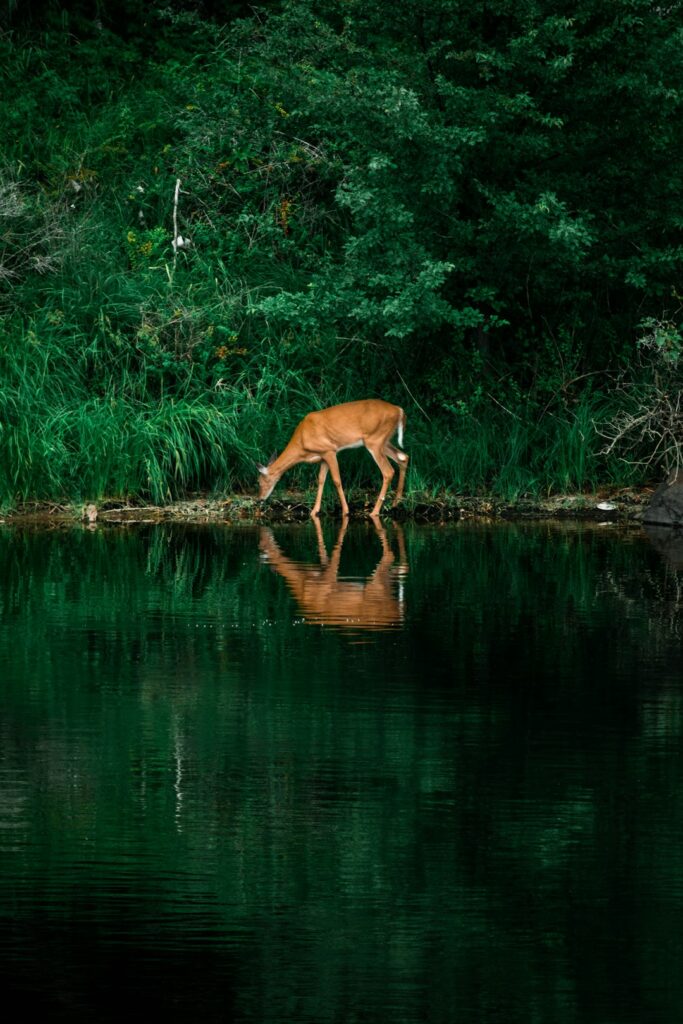
How Long Do Deer Live Near Sequim, WA?
In and around Sequim, most local deer spotted in yards, fields, or forests are black-tailed deer. These deer typically live between 8 and 12 years in the wild, but many face challenges that can shorten their lives. Fawns are especially vulnerable in their first year due to predators, vehicle collisions, and disease.
Mature black-tailed deer that survive these early risks can reach a decade or a little beyond, though extreme old age—beyond 15 years—is rare. Habitat, access to safe grazing areas, and natural predators all play a role in how many years a deer will thrive within the region.
What Is the Lifespan of Coyotes in This Region?
Coyotes are a frequent sight in rural and suburban neighborhoods surrounding Sequim. In the wild, most coyotes live about 5 to 7 years; a few may surpass ten years if conditions are favorable.
Factors that impact their life expectancy here include:
- Availability of food—coyotes in areas with abundant small prey and discarded food may survive longer
- Hazards—encounters with vehicles, disease (like distemper or mange), and harsh winters can cut lives short
Coyotes living close to people sometimes have slightly longer lifespans due to easier access to food, but they also risk more frequent conflicts and accidents.
How Long Do Local Owls and Birds of Prey Live?
Owls, hawks, and other raptors regularly nest and hunt in the fields and forests near Sequim. Lifespans for these species vary by type:
- Barred owls: Usually 8–10 years in the wild
- Great horned owls: Often 10–15 years; rare individuals may reach 20
- Red-tailed hawks: Commonly live 10–15 years
Many young birds do not survive their first few years due to starvation, collisions, or predation. Those that reach adulthood may enjoy steady lifespans, especially if nesting areas are undisturbed and food sources (like voles or songbirds) are abundant.
How Long Do Wild Elk Typically Live?
Roosevelt elk, seen at the edge of forests and sometimes crossing open lands, are long-lived compared to most other local wildlife. In natural conditions, elk often live 10–15 years, with females tending to live slightly longer than males.
Elk mortality increases with harsh winters or challenging foraging conditions. On occasion, older elk—especially in protected areas—can pass the twenty-year mark, but such examples are unusual. The main threats for elk are injury, predation, and exposure.
What About River Otters and Other Aquatic Mammals?
Local river otters, found along rivers, shoreline, and wetlands, usually live between 8 and 12 years in the wild. Otters need clean water and reliable fish populations to live long, healthy lives. Dangers such as contaminated waterways, lack of food, or becoming trapped on land can limit their lifespan.
Beavers and muskrats, two other aquatic mammals found in the region, fall within similar or slightly shorter lifespan ranges. Most wild beavers live about 10–12 years, while muskrats are much shorter-lived, rarely reaching 3–4 years in the wild.
How Long Do Bats, Squirrels, and Small Mammals Survive?
Despite their small size, many wild bats can live a surprisingly long time. Little brown bats in the area may survive up to 7–10 years, although most reach only about half that when exposed to disease, predators, or harsh weather.
Squirrels, especially the Western gray squirrels and Douglas squirrels, live 5–8 years under favorable conditions. Their survival rate is low in the first year, but adults in safe habitats can return season after season.
For most other small mammals—like shrews, voles, and moles—the average lifespan is just 1–3 years because of predation and environmental dangers.
Do Wild Lifespans Differ from Their Relatives in Captivity?
Wild animals nearly always have shorter average lifespans than those cared for in captivity. This is due to unpredictable natural dangers, food scarcity, and injuries that would be treated in a managed setting.

For example:
- A wild red-tailed hawk might thrive 12 years, but in captivity could live past 25.
- River otters can occasionally reach 20 years under human care but far less in natural conditions.
These differences highlight why sightings of older animals in the wild are relatively rare compared to those in zoos or refuge centers.
Common Misconceptions Residents Have About Wildlife Lifespans
Local stories sometimes overestimate how long wild animals live. For instance:
- Many residents may believe deer and elk can live “decades,” but few surpass 15 years in the wild.
- People can also assume coyotes have very brief lives, but their resilience often allows them to live much longer than expected if they avoid major hazards.
Another misconception is that harsh winters or deep snow alone are responsible for high mortality. More often, the real risk comes from a combination of hunger, disease, and competition.
How Does the Local Environment Affect Wildlife Lifespan?
The mix of open fields, forests, and water bodies in the area supports a diverse range of wild species. Lifespans are influenced by:
- Winter weather severity, which can challenge food access
- Human activity, including road crossings and habitat changes
- Predator populations, which regulate survival chances for smaller species
Residents who respect wildlife corridors, pick up fallen fruit, and avoid leaving out attractants help reduce unnecessary risks for local animals. While nature sets clear limits on lifespan, small changes and community awareness make a difference in how many animals reach maturity in the wild.