
 See My Latest Article on HelloNation
What Are Pollinators and Why Do They Matter in Sequim, WA?
Pollinators are animals that move pollen from one part of a plant flower to another, making reproduction and food production possible for many plants. In the Sequim area, pollinators include not just honeybees, but also native bees, butterflies, moths, hummingbirds, and some beetles. Without these creatures, local wildflowers, garden crops, and even certain trees would struggle to thrive.
For residents, this means much of the region’s food—including berries, apples, squash, and other fruits and vegetables—depends on pollinators. In local wild spaces like the Dungeness Wildlife Refuge and backyard habitats, pollinators support plant diversity and healthy ecosystems vital for birds and other wildlife.
Which Local Wildlife Are Considered Key Pollinators?
Common pollinators in this region include:
- Native bumblebees and solitary bees (especially important in the spring and early summer)
- European honeybees (often kept in managed hives but also found in the wild)
- Butterflies and moths (various species, including the Western Tiger Swallowtail)
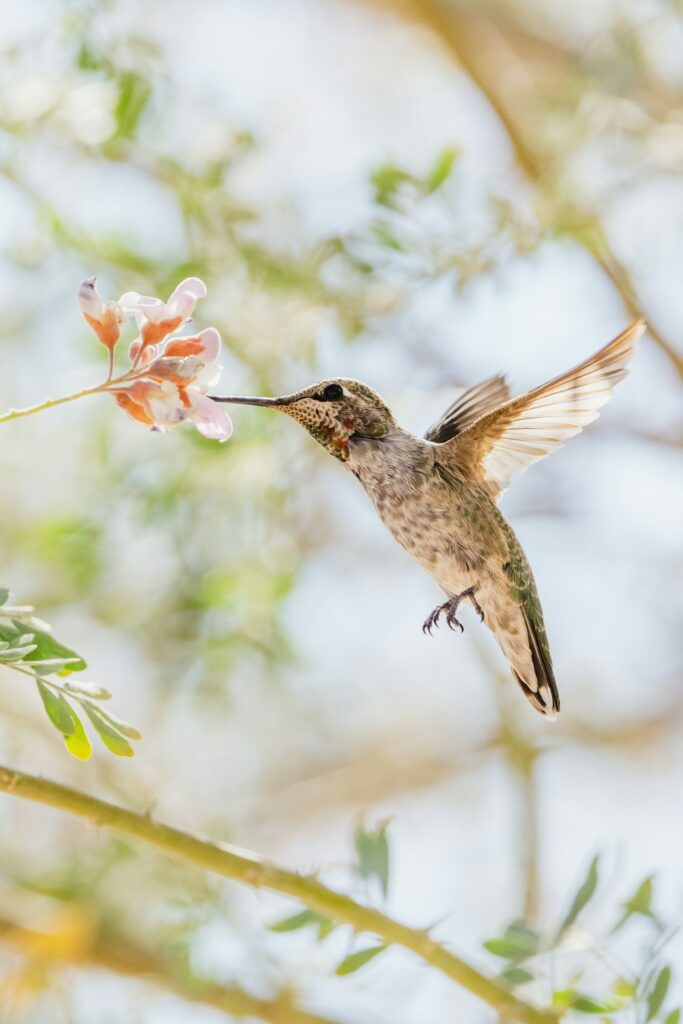
- Hummingbirds (especially Anna’s and Rufous hummingbirds)
- Certain beetles and flies
While honeybees are well known, native bees often pollinate a wider range of local plants, sometimes more effectively under the area’s cool, damp spring conditions.
Are Pollinators Really in Trouble?
Across North America, pollinator populations face several threats, and Sequim is no exception. The most common risks include:
- Extensive pesticide use
- Loss of flowering habitats due to new homes, roads, and landscaping changes
- Reduced plant diversity in gardens and public spaces
- Climate shifts and severe weather
- Spread of disease among bees and other insects
Decline of pollinator numbers may not be immediately obvious, but over time, fewer pollinators can mean less productive fruit trees, reduced garden success, and shrinking wildflower displays around the city.
How Can Residents of Sequim Support Pollinators?
The most effective steps involve supporting habitat and providing resources throughout the year. Residents don’t need large properties to make a difference.
Provide Food Sources
Diverse nectar- and pollen-rich flowers should be available from early spring through late fall. Locally appropriate options include:
- Early bloomers: Oregon grape, lupine, native currants
- Summer bloomers: Asters, blanket flower, bee balm, lavender
- Late bloomers: Sedum, goldenrod, Pacific aster
Mixing native and well-behaved garden varieties helps meet the needs of different pollinators. Clusters of the same species (rather than single scattered plants) are especially beneficial.
Avoid Pesticides
All pollinators are at risk from garden insecticides, including "organic" sprays. Avoid chemical treatments whenever possible. If necessary, apply any controls in the evening and never during bloom times, when pollinators are most active.

Leave Some Natural Habitat
Allowing areas of leaf litter, patches of bare ground, or brush piles can help solitary bees and other pollinators nest and spend the winter. Avoid excessive tidiness in the fall; many beneficial insects overwinter in hollow stems or beneath fallen leaves.
Offer Water
Especially in dry summer months, shallow dishes filled with fresh water (with stones for perches) can attract and sustain bees and butterflies.
What About Lawns and “Weeds”? Are Dandelions Helpful or Harmful?
Lawns can be ecological deserts for pollinators if they’re managed for uniformity and weed-free appearance. Early-blooming “weeds” like dandelions and clover are sometimes the first spring food source for bees before other plants bloom. Allowing small patches of these, especially in early spring, can benefit pollinators without harming most landscapes.
For those who want to transition to pollinator-friendly yards, reducing grassy surface in favor of garden beds or native borders is helpful. Mowing less often to allow violets, clover, and similar plants to bloom can also provide a seasonal boost.
Is Supporting Pollinators Compatible with Local Regulations and Fire Safety?
In Sequim, defensible space for wildfire safety is important. Residents can choose fire-resistant native plants and design pollinator patches away from structures, following guidelines for clear zones and low, spaced plantings. Mulching, pruning, and debris management also make it possible to have pollinator habitat without increasing fire risk.
Always check for any local vegetation management rules affecting front-yard plantings, heights, or setbacks.
What If Someone Is Allergic to Bees or Worries About Stings?
Most pollinators, especially native solitary bees, are not aggressive. Stings are rare unless an insect is directly handled or feels trapped, such as being stepped on. Bumblebees and most wild bees are unlikely to sting at all unless their nest is disturbed.
Those with severe allergies should know where bee nests are located (such as in compost piles, rock walls, or underground) and avoid disturbing them. Encouraging pollinators with flowers and water sources away from busy walkways or play areas can minimize unwanted interactions.
Do Bird Feeders or Butterfly Houses Help Pollinators?
Bird feeders and butterfly houses are not substitutes for real habitat or food sources. Nectar-rich plants, shallow water features, and undisturbed nesting sites do far more for local pollinator health. Butterfly houses rarely attract native butterflies in this region, as most species prefer natural shelter.
Are All Pollinators Equally Valuable?
Different pollinators are matched to specific plants. For instance, some berries depend more on native bumblebees, while squash and gourds are best served by squash bees. Plant diversity—featuring both natives and garden staples—supports a broader range of pollinators and fosters healthy competition without crowding out native insects.
In Sequim, even small differences in plant selection, bloom time, or garden layout can impact which pollinators you attract.
How Do Changing Seasons Affect Local Pollinators?
Pollinators are active from early March through late October, depending on weather. Early emerging bees and hibernating butterflies rely on the first blooms, while late season flowers help insects prepare for winter. Providing autumn bloomers and leaving garden debris untouched until spring supports overwintering survival.
Winter cleanup should wait until several days of steady warmth to ensure insects have emerged. Many local pollinators rest, hibernate, or nest within old stems, bark, or underground tunnels.