

 See My Latest Article on HelloNation
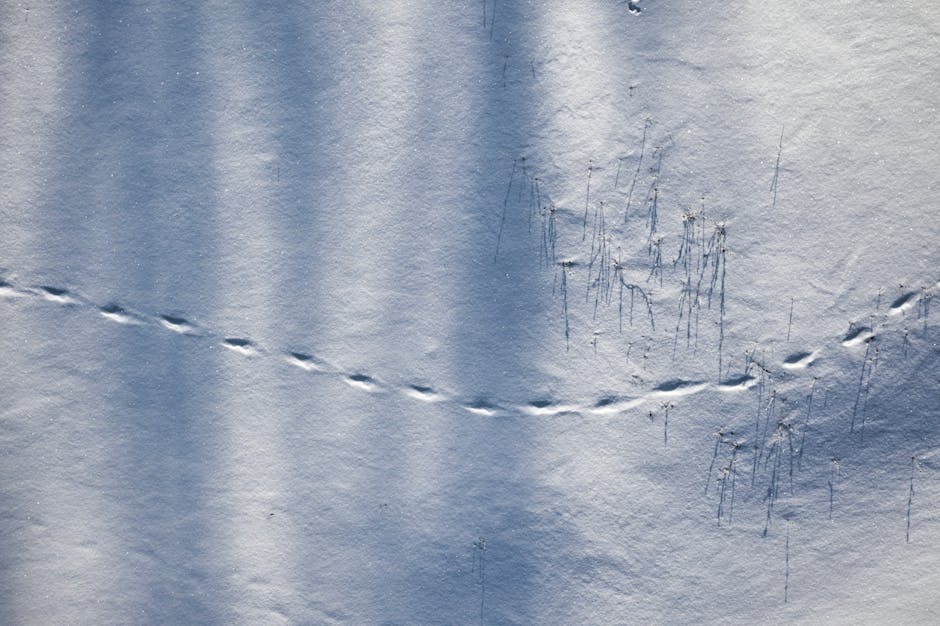
Why Learn to Identify Animal Tracks in Sequim, WA?
Learning how to recognize animal tracks provides insight into the wildlife sharing the landscape with local residents. This skill can help residents better understand neighborhood activity, protect pets and gardens, and make the most of outdoor exploration in the area’s diverse habitats.
Whether walking a nearby trail, observing your backyard, or helping children learn about nature, clear identification of tracks helps distinguish common animals and highlights the rich natural life surrounding Sequim.
What Makes Tracking in Sequim Unique?
The combination of mild winters, varied vegetation, and rural-urban mix means that the area attracts a wide range of animals. Residents may find tracks in coastal areas, forested trails, fields, or even in residential yards after rain or snow.
Key local factors influencing track visibility include:
- Damp soil and morning dew enhance impressions
- Spring and fall bring more animal movement at night
- Fresh snow makes new tracks easy to spot but can also blur older ones
- Sandy soils near beaches may display clearer paw details than gravel driveways
Changes in weather or human activity can both reveal and obscure evidence of recent animal travel.
Which Animals Commonly Leave Tracks Here?
Local wildlife likely to leave distinct tracks includes deer, raccoons, coyotes, domestic dogs and cats, rabbits, and various bird species. Less commonly, tracks from bobcats, river otters, or elk may occasionally appear in some neighborhoods or natural areas.
Some everyday examples:
- Black-tailed Deer: Two teardrop-shaped hooves, usually about 2–3 inches long, often found in pairs.
- Raccoon: Each paw has five long, finger-like toes resembling a tiny human hand.
- Coyote: Oval-shaped prints with four toes and a visible claw mark, generally narrower and more symmetrical than domestic dog tracks.
- Domestic Dogs vs. Coyotes: Dog prints are usually rounder and display more variation; claw marks in coyote prints are typically closer together.
- Rabbits: Large, long hind feet appear ahead of smaller, round front paws in a hopping pattern.
- Songbirds: Three forward-pointing toes and one backward; found near shrubs or water.
Less frequent but possible:
- Bobcat: Rounded print, no visible claw marks, about 2 inches across.
- River Otter: Webbed toes with a large, smooth heel pad, often appearing alongside belly sliding marks in mud or snow.
How Can Residents Accurately Identify Tracks?
Start by crouching close and observing the print’s shape, size, and number of toes.
Useful steps for identification:
1. Count and Shape: Note the number of toes and the general outline (hooved, padded, webbed).
2. Measure: Track length and width help distinguish species.
3. Claw Marks: Present or absent can immediately rule out or confirm certain animals.
4. Pattern: Look for track patterns—straight line, hopping, zig-zag—that indicate movement style.
5. Stride and Straddle: The spacing between footprints gives clues about animal size and gait.
6. Location and Substrate: Consider location (muddy trails, sandy beaches, garden beds) for context.
Taking a clear photo with a ruler or known object for scale makes later comparison easier, especially if referencing a tracking guide book or reliable online resource.
Common Mistakes and Misread Tracks
Misidentification frequently occurs between similar-sized domestic and wild animals. For instance:
- Dog tracks are often mistaken for coyote or even small cougar tracks; careful observation of symmetry and claw marks helps differentiate.
- Deer and elk hoof prints can appear similar, but local elk tracks are larger and wider (rarely seen except in certain habitats).
Other overlooked factors:
- Double prints—where front and rear foot overlap—may create an odd shape.
- Young children’s shoe prints can sometimes resemble raccoon or skunk tracks, especially in wet soil.
- Large birds (like herons) can leave prints that look remarkably like those of small mammals until toe direction and location are considered.
Weather and ground conditions might distort prints, so look for repeats of the same print to confirm.
What Resources Can Help With Local Track Identification?
Several field guides and digital resources focus on animal tracks of the Pacific Northwest and specifically this region. Local library branches often stock field guides tailored to the area’s wildlife.
Helpful options include:
- Water-resistant pocket guides—for field use during hikes or walks in Sequim
- Smartphone apps that allow photo uploads for comparison to curated photo libraries
- Local extension offices sometimes provide printable identification charts
When using digital tools, compare at least three features (size, claws, gait) rather than relying on a single photo or guess.
When Should Residents Take Extra Caution?
Tracks themselves present little danger, but the presence of certain types may warrant additional awareness:
- Large canid or feline tracks: If unsure whether a print is from a large domestic dog or a wild animal, keep pets and children nearby.
- Concentrated scat with prints may indicate recent or regular animal activity in a specific part of a yard or neighborhood.
- Near livestock or poultry areas, identifying raccoon or coyote activity helps inform preventative measures.
If unusual or threatening wildlife is suspected—such as repeated signs of large predators in highly populated areas—consulting fish and wildlife authorities can clarify steps for coexisting safely.
How Do Changing Seasons Affect Track Identification?
Spring and fall bring more fresh, clear tracks due to wet ground and increased animal movement. Snow cover offers the best opportunity for clear impressions, though tracks erode quickly as temperatures shift or wind blows.
In drier summer months, dusty earth or shoreline mud is ideal for spotting and preserving tracks, while winter’s wet conditions can reveal intricate detail otherwise lost in dry soil.
Paying attention immediately after rain, a dusting of snow, or at dawn enables residents to find the freshest and most informative tracks.
What Role Does Tracking Play in Local Conservation and Enjoyment?
Understanding animal activity builds a sense of community and respect for neighboring wildlife. Residents who regularly note tracks are often more tuned into seasonal patterns, unusual behaviors, or population changes, all of which help inform local stewardship and appreciation.
Participation in public wildlife reporting or nature walks gives families and individuals a deeper connection, tying the practical knowledge of animal tracking to broader efforts in environmental awareness.