
 See My Latest Article on HelloNation
What Does “Ethical Wildlife Photography” Mean in Sequim, WA?
Ethical wildlife photography puts the well-being of animals and their habitats first, respecting all state and local wildlife regulations. In Sequim, this means rewarding patience, observing with care, and understanding how to minimize your impact on the peninsula’s diverse animal populations found in forests, near wetlands, along the shoreline, and even close to neighborhoods.
Ethics in local wildlife photography comes down to never harassing, feeding, or drawing animals in simply for a photo, and never disturbing nests, dens, or sensitive areas. For Sequim residents and visitors alike, this mindset distinguishes a respectful observer from a disruptive presence.
How Can I Avoid Disturbing Animals?
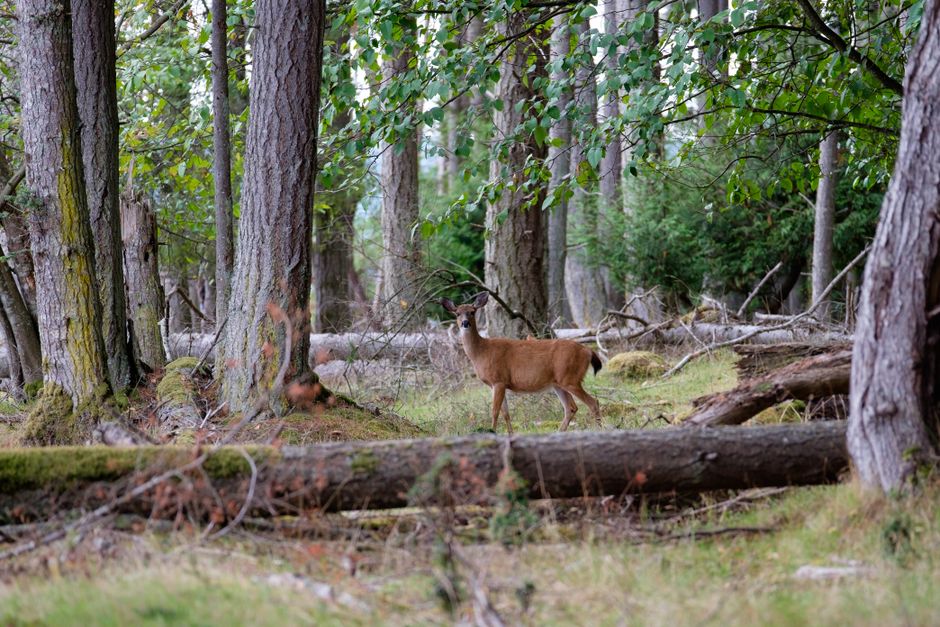
Remain far enough from animals to let them behave naturally. Many species in the community — from black-tailed deer and river otters to numerous birds — show subtle signs of stress if approached too closely.
To avoid causing harm or distress:
- Stay on trails or public access paths, especially in critical bird nesting seasons (early spring through early summer)
- Use a zoom lens rather than moving closer, particularly for elk, eagles, herons, and shorebirds
- Observe for signs of agitation: raised heads, alarm calls, sudden flights, or an animal leaving the area means it’s time to back away
- Never try to coax an animal closer with sounds or food
Seasonal conditions are important too. For example, in cold or wet months, wildlife needs extra energy to stay warm and may be more vulnerable to stress caused by humans.
What Laws or Rules Affect Wildlife Photography in the Area?
In the Sequim region, several rules protect local wildlife:
- Hands-off: State law prohibits feeding or disturbing most wild animals.
- Protected lands: Many parks and reserves have posted photography guidelines, and areas may close seasonally to protect nesting or migrating species.
- Drones: Restrictions are strict in and around wildlife refuges and sensitive habitats; drones easily startle mammals and birds, so avoid using them for photography near any animal activity.
Pay close attention to posted signs in local nature preserves and county parks, where special rules during certain months are common.
How Close is Too Close for a Photo?
A good rule: if an animal changes its behavior because of your presence, you are too close. In practice around the region:
- For birds, remain well outside the “flush zone” — for large waterfowl, this can be more than 75-100 feet.
- Give deer, elk, and coyotes a wide berth; binoculars help determine if you’re keeping a respectful distance.
- Seals or otters along the coast are especially sensitive — wildlife experts recommend 100 yards or farther.
Use natural features like trees or brush to partially conceal your approach and avoid open, direct movement toward animals.
Are There Best Times for Ethical Wildlife Photography?
Early morning and dusk are best, when many animals are most active and human presence is lower. During these hours, light is softer, and it’s easier to use patience and observation rather than active searching, which can be stressful for wildlife.
Also, keep in mind the local rhythms:
- Bird migration peaks in spring and fall; lookouts and public blinds reduce disturbance
- Some species, such as river otters, may be more visible along streams or estuaries after rains
Always check weather conditions and tide charts before heading out for coastal or marsh viewing, as these tip the balance between good photo opportunities and animal safety.
What Gear Choices Help Avoid Impacting Wildlife?
Ethical photography is possible with any camera, but some equipment choices make it easier to minimize disturbance:
- Telephoto lenses (200mm and above recommended for small or distant animals)
- Tripods or monopods for stability at long range
- Quiet camera bodies, using silent or electronic shutter modes
- Neutral clothing or camouflage to blend with surroundings
More important than the lens is patience: waiting quietly at the edge of clearings or staying still near wildlife corridors yields better, less intrusive results.
What About Young Photographers or Families Learning Together?
For families and those new to wildlife watching, the priority is building good habits:
- Practice “Leave No Trace” awareness — pack out everything you bring
- Turn wildlife outings into observation sessions, not just photo missions
- Discuss animal body language with children so everyone recognizes stress behaviors and gives animals more space than they think they need
Local neighborhoods often see regular visits from deer, raccoons, and songbirds, making backyards a comfortable starting point for ethical habits before venturing into more sensitive environments.
What Are Common Misconceptions?
Several widely held beliefs can harm both animals and photo opportunities:
- Myth: “Wildlife gets used to people.” In truth, constant exposure can change animals’ feeding, breeding, and travel behavior, pushing them out of good habitats.
- Myth: “A quick photo won’t matter.” Even brief interactions can drive parent birds from nests or disrupt seals nursing pups on the beach.
- Myth: “It’s okay to move closer if no one else is around.” Wildlife remembers repeated disruptions, and rare species may be especially vulnerable in quiet spots.
Why Does Ethical Practice Matter for the Community?
Photographers help set the tone for other locals and visitors observing nature in the area. Respectful behavior ensures that animals continue to thrive close to homes, trails, and parks. It also helps preserve the quiet, wild character valued by residents.
Understanding and teaching practical ethics around wildlife photography directly shapes how healthy and visible local animal populations will remain for future enjoyment — and high-quality, natural sightings improve every photo, too.