

 See My Latest Article on HelloNation
Introduction: The Urban Wild in Everyday Life
As cities like Sequim, WA continue to grow, so too does our interaction with urban wildlife. Most people think of city environments as separate from nature, but local wildlife—from deer in backyard gardens to birds nesting in town parks—plays an essential role in city ecosystems. Understanding this relationship helps us coexist productively with the wildlife that shares our home.
What Is Urban Wildlife?
Urban wildlife refers to animals and plants that have adapted to survive—and often thrive—alongside humans in cities and towns. This includes everything from raccoons rummaging through trash to foxes, opossums, and even birds of prey like hawks and owls. In Sequim, deer, rabbits, and a rich diversity of birds are frequent visitors in both residential and commercial districts.
Why Urban Wildlife Matters in City Ecosystems
Wildlife is not just an aesthetic part of community life; it’s a vital component of the urban ecosystem. Wildlife provides ecological services such as:
- Pest control: Predators like owls and hawks help reduce rodent populations.
- Pollination: Bees, butterflies, and hummingbirds support local gardens and wildflowers, which are prominent features of the Sequim landscape.
- Seed dispersal: Birds and small mammals help native plants spread and thrive.
- Soil health: Earthworms, insects, and moles keep local soil healthy, supporting the greenery that contributes to Sequim’s cool, temperate environment.
When these ecological functions remain intact, urban spaces benefit from cleaner air, richer plant life, and more resilient neighborhoods.
Signature Urban Wildlife Species in Sequim
Sequim’s unique geography—bounded by mountains, forests, and the Strait of Juan de Fuca—creates a haven for diverse species. Some noteworthy wildlife in the area includes:
- Black-tailed deer: Common in gardens and parks, these deer play a role in shaping local plant communities.
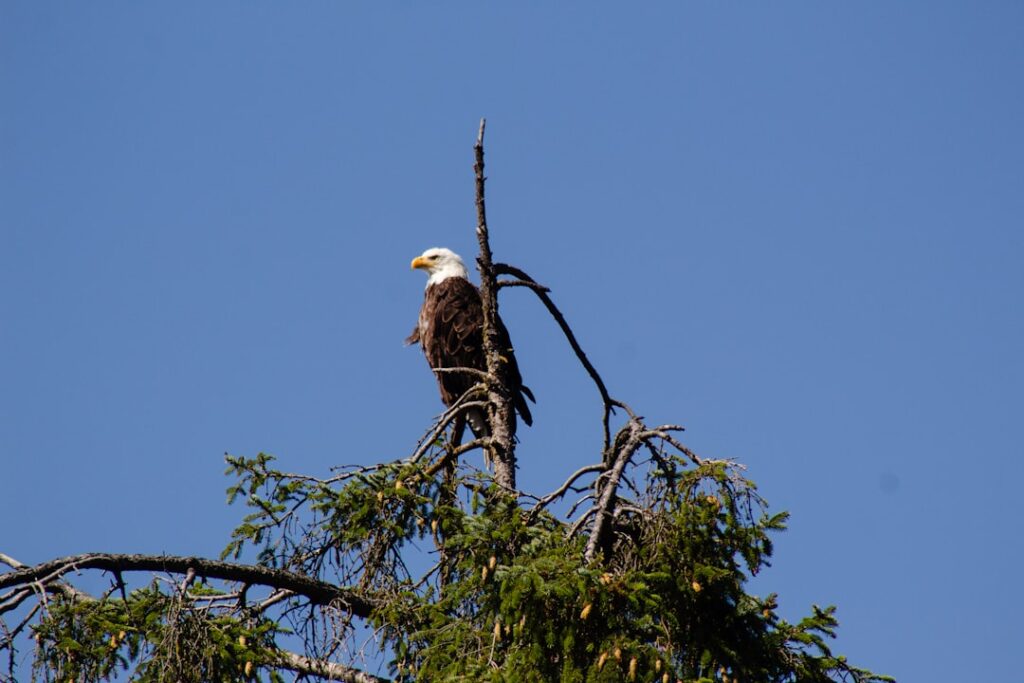
- Bald eagles and red-tailed hawks: These raptors keep small mammal populations in check and are often seen soaring over wide-open fields.
- Raccoons and opossums: Masters of adaptation, they help break down waste and control insects.
- Songbirds: Sparrows, swallows, and chickadees contribute to insect control and enjoy ample nesting sites among Sequim’s trees and shrubs.
- Coyotes: As apex city predators, coyotes regulate pets and smaller wildlife populations.
The Benefits and Challenges of Urban Wildlife
Living with urban wildlife offers both rewards and obstacles. On the positive side, regular encounters with local fauna can enrich daily life in Sequim, offering educational opportunities for families, schools, and nature enthusiasts. Urban wildlife viewing is a popular pastime, from watching hummingbirds at feeders to spotting deer grazing at sunrise.
However, urban wildlife can occasionally come into conflict with residents. Examples include:
- Garden raids: Deer and rabbits may treat vegetable patches as their own, frustrating gardeners.
- Garbage foraging: Raccoons and crows sometimes distribute trash as they look for food.
- Pet safety: Small pets may be at risk from urban coyotes or birds of prey.

Understanding animal behavior and practicing wildlife-friendly habits—such as using secure bins and keeping pets indoors at night—can help reduce conflicts.
Urban Wildlife: Allies in Sustainable Living
Sequim’s focus on sustainability and outdoor living dovetails well with supporting urban wildlife. Residents can contribute by:
- Maintaining native plants: Native shrubs, wildflowers, and trees offer food and shelter for local species.
- Creating wildlife corridors: Open greenways and tree-lined streets allow animals to travel safely across town.
- Limiting pesticides: Reducing chemical use preserves the insects that birds and bats feed on.
- Building nest boxes and bee hotels: These additions provide secure homes for cavity-nesting species and pollinators.
Through these actions, Sequim’s community helps maintain a healthy balance between development and the local natural world.
Addressing Common Questions About Urban Wildlife in Sequim
Why do we see more wildlife in Sequim lately?
New development and habitat changes sometimes push animals to adapt or move into city spaces. Sequim’s gardens, parks, and small farms provide ideal conditions for many native species.
Is it safe to feed urban wildlife?
Feeding can alter natural behaviors and increase health risks for both animals and humans. It’s best to appreciate wildlife from a distance and create natural habitat features that provide food in the form of native plants, flowers, and seeds.
What should I do if I encounter injured wildlife in town?
Contact a licensed local wildlife rehabilitator instead of trying to help the animal yourself. Washington Department of Fish and Wildlife and regional rescue groups have resources tailored for Sequim residents.
Fostering Harmony: The Future of Urban Wildlife in Sequim
By seeing wildlife not as intruders, but as essential neighbors, Sequim can continue to foster a healthy relationship with its wild residents. Community education, supportive gardening practices, and respectful coexistence allow both people and animals to thrive. With continued stewardship and an understanding of wildlife roles, Sequim’s city ecosystem will remain vibrant for generations to come.
Conclusion
Cities like Sequim, WA are not removed from nature—rather, they are a thriving part of the larger ecosystem. Urban wildlife enriches our lives, supports city sustainability, and offers daily reminders of the natural world around us. By learning to live alongside foxes, finches, and all creatures in between, we help build a healthier, wilder, and more resilient Sequim.