

 See My Latest Article on HelloNation
How are local temperatures shifting, and what does this mean for wildlife?
Seasonal temperatures in Sequim, WA are gradually trending warmer and less predictable. Species adapted to the traditionally mild and moist climate now experience shifts in the timing and duration of critical seasonal events. Birds may begin migration earlier or later, while mammals start breeding or hibernating at unusual times. The risk is that native wildlife may miss windows of food availability, raising the risk of lower survival rates for young animals and decreased populations of certain species.
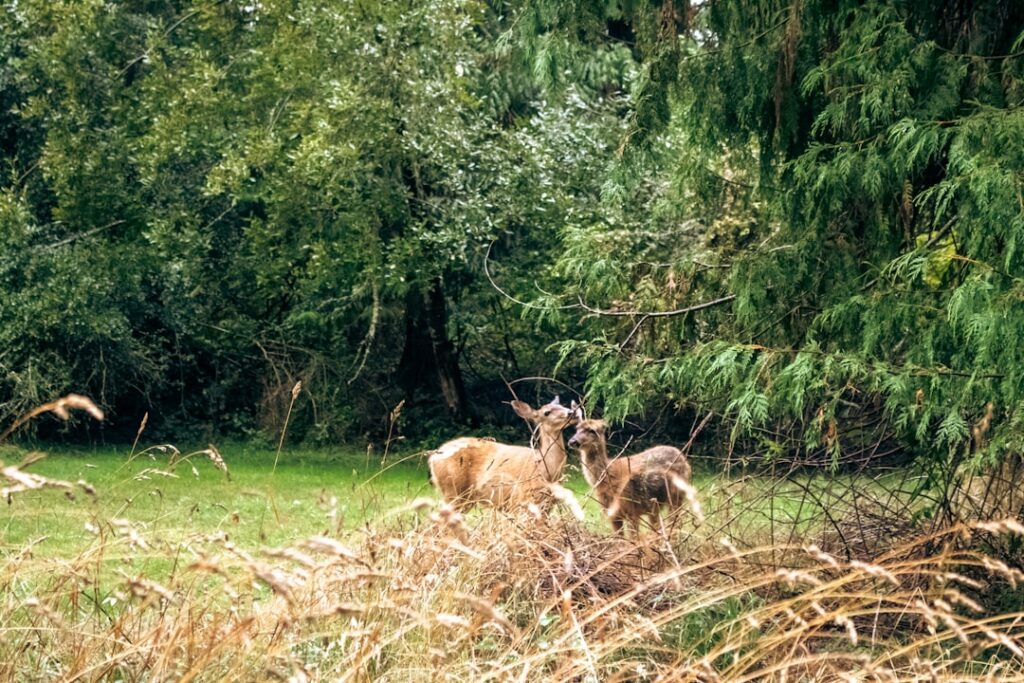
For example, local songbirds that time their nesting for peak insect abundance may find their food sources misaligned with chick-rearing. Mammals such as black-tailed deer could see their foraging patterns disrupted if plant growth is altered by an early spring or delayed by an extended winter. These subtle misalignments ripple through the food web.
What changes are happening with rainfall and water levels?
Increasingly erratic rainfall patterns in the community—ranging from heavier precipitation to prolonged dry spells—have direct effects on species dependent on wetland and riparian habitats. Streams may flood, then dry up rapidly, which stresses fish such as salmon and amphibians like frogs and salamanders. These animals depend on stable water flows to reproduce and develop.
In periods of drought, wetlands shrink, crowding wildlife into smaller, more competitive spaces. Local residents might notice fewer frogs singing in the evenings or spot more birds around backyard water sources. Conversely, heavier, faster storms can wash out fish eggs and disrupt spawning habitats. The balance between rain and dry days is more critical to wildlife here than heavy seasonal averages suggest.
Are plant communities and habitats changing?
Shifting climate conditions gradually influence the types of plants that thrive in Sequim. Some native plants may become less common, while others—often non-natives—may expand. This affects all levels of the ecosystem, as many local wildlife species are closely tied to specific plants for food and shelter.
For instance, pollinators such as bees and butterflies rely on the timing of wildflower blooms. If warmer temperatures trigger early blooms, but the pollinators haven’t yet emerged, both miss out. Deer and elk may overbrowse some areas if their preferred forage plants decline, changing meadow and forest structure over time.
Even subtle differences in grassland composition or forest undergrowth change the availability of seeds, berries, and insects—food sources that support everything from small mammals and songbirds to predatory raptors.
How do warmer winters and hotter summers impact animal health?
Milder winters can encourage the survival and range expansion of parasites and diseases previously limited by cold. For example, ticks and certain insects, once held in check by freezing temperatures, may become more common. This means local deer or birds may face higher parasite loads or new diseases, altering population health and dynamics.
Hotter, drier periods increase the risk of heat stress and dehydration for mammals, birds, and amphibians. Shallow ponds or seasonal creeks relied upon for cooling and drinking can vanish quickly. Backyard birdbaths and shaded gardens may see more visitors seeking relief.
Additionally, these changes may favor adaptable generalist species—raccoons, coyotes, invasive birds—at the expense of more specialized or rarer native species, subtly reshaping which animals thrive in the area.
Are certain wildlife species more at risk from climate change here?
Species with specialized habitat needs or narrow temperature tolerances are most vulnerable. An example is the local salmon population, which needs cool, steady stream flows for spawning. Warmer water can reduce oxygen levels, increase predators, or fuel harmful algae—legal protections help, but habitat changes are ongoing.
Amphibians including Pacific chorus frogs and newts also face high risk, as they require moist, stable environments for their life cycle. Butterflies and native bees, sensitive to shifts in plant blooms and weather patterns, can also decline if climate conditions disrupt their synchrony with food sources.
Specific resident and migratory birds might suffer if they cannot adjust their timing or if insect prey is less predictable due to erratic weather.
How can residents help local wildlife manage these changes?

Enhancing native habitat around homes and public spaces is one way to support wildlife adaptation. Planting a diverse mix of native shrubs, trees, and flowers provides food and shelter throughout changing seasons. Creating shaded areas and maintaining fresh water sources in yards helps smaller animals cope with heat and drought. Avoiding use of pesticides and herbicides supports healthy insect populations, which are crucial for birds and amphibians.
Residents can also:
- Keep domestic cats indoors to reduce predation on already stressed wildlife populations
- Preserve natural features on properties, like brush piles or standing dead wood, for shelter
- Participate in local conservation or habitat monitoring projects to contribute data and support
Not every species will be able to adapt as the region changes, but mindful community efforts can cushion some impacts.
What are common misconceptions about climate change and wildlife here?
A frequent misconception is that only rare or tropical animals are affected by climate shifts. In reality, even familiar backyard species—robins, garter snakes, hummingbirds—face new challenges as the world shifts subtly year by year.
Another misunderstanding is that wildlife “will adapt,” no matter what. While some generalist species are indeed flexible, many animals, especially those with specialized diets or habitats, may not be able to adjust quickly enough. Some may decline before impacts are obvious.
Lastly, extreme weather events are not the only issue. Gradual, almost invisible changes—like altered flower bloom times, insect life cycles, or subtle shifts in seasonal rainfall—may have widespread, long-term effects even without dramatic immediate losses.