

 See My Latest Article on HelloNation
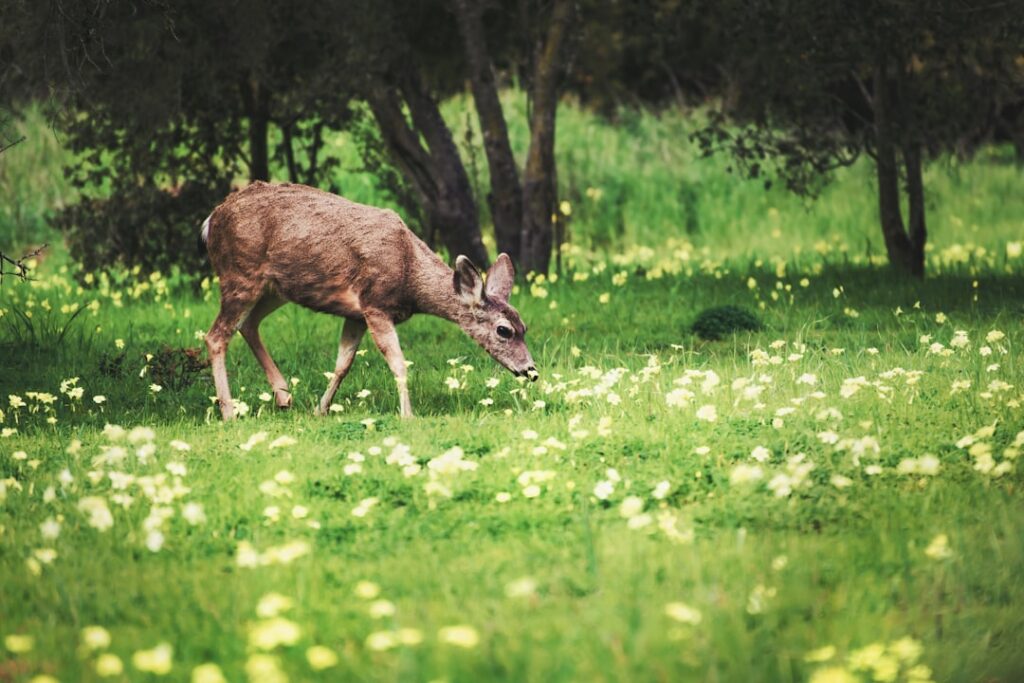
What Attracts Nuisance Animals to Yards in Sequim, WA?
Most nuisance wildlife—including raccoons, deer, skunks, and opossums—are drawn to neighborhoods by food, water, and shelter opportunities. In Sequim, mild winters and green spaces make residential areas appealing, especially where fruit trees, bird feeders, gardens, livestock feed, or compost piles are accessible. Small openings under decks, sheds, and crawlspaces offer shelter. Reducing these attractants is an effective first step to avoid unwanted animal visitors.
Practical Prevention Tips
- Secure trash cans with tight-fitting lids or place them in a garage or shed until pick-up day.
- Harvest ripe fruit promptly, and clean up windfalls from yards.
- Store pet food indoors and feed pets inside.
- Use well-constructed fencing around vegetable gardens.
- Cover compost securely, and avoid adding meats or cooked foods.
Do Repellents Work for Deterring Wildlife?
Repellents can help, but their effectiveness can vary based on the animal species, environmental conditions, and how consistently products are applied. Sequim’s climate, with rainy periods and wind, often reduces the lasting impact of spray-on repellents, requiring frequent reapplication.
Limitations and Usage
- Motion-activated sprinklers can startle deer, raccoons, and skunks, but they may become less effective over time as animals get used to them.
- Commercial scent or taste repellents for deer and rodents can protect specific plants but generally do not work for large open spaces.
- Home remedies like soap shavings or human hair have not been shown to reliably deter animals.
For the most persistent animals, a combination of exclusion and deterrents is usually needed.
How Can Fencing and Barriers Help?
Physical barriers are highly effective and humane. Fencing is especially useful in protecting gardens and certain plants from deer or rabbits. Local residents often find lifelong success by selecting the correct height and structure for their particular wildlife challenge.
- Deer require fencing at least 7–8 feet high or angled outward to prevent jumping.
- Wire mesh or hardware cloth buried several inches underground helps keep out digging animals like skunks.
- Hardware cloth “aprons” around sheds and decks prevent entry by burrowing mammals.
Barrier solutions work best when checked regularly for gaps and maintained as part of a broader prevention strategy.
Are There Humane Ways to Deter Birds and Rodents?
Bird feeders, fruit-bearing shrubs, and accessible grains can attract birds and rodents throughout the year. To minimize problems without harming wildlife, residents can:
- Use tray-style feeders with catchers to reduce seed spill.
- Take feeders down during critter-heavy seasons or at night.
- Store feed, seeds, and grain in airtight containers inside secure sheds or garages.
- Cover vents, chimneys, and roof gaps with sturdy screening to exclude rodents.

Most small birds and mammals move elsewhere if food is scarce. Routine cleanup of fallen seeds and food scraps further prevents buildup of attractive nesting spots.
Can Pets Help Keep Wildlife Away?
Household pets, such as dogs, can deter some wildlife through their scent or occasional patrols. In urban and suburban areas of Sequim, pets are best kept indoors or supervised outside, mainly to avoid confrontations with larger or potentially aggressive animals.
Leaving pet food outside can inadvertently draw unwanted wildlife, so feeding pets indoors is safer for both domestic animals and local creatures.
What Are Signs of Humane and Safe Deterrence?
Humane deterrence means discouraging animals without harm. The goal is to change animal behavior so they seek food and shelter elsewhere, rather than trapping or relocating—which can be stressful or fatal for wildlife.
Indications that a method is humane include:
- No physical harm caused to animals.
- No trapping or poisoning.
- Animals can leave the area on their own.
- Encourages coexistence, not elimination.
If a deterrent poses any risk of harming pets, people, or wildlife, a different method should be considered.
When Should Residents Seek Outside Help?
Most situations can be managed with prevention and deterrence. However, outside help may be necessary if:
- An animal appears sick, injured, or aggressive.
- Wildlife has entered a living space and cannot leave on its own.
- There are concerns involving protected species or legal requirements.
For these cases, area residents can consult local animal control or a governmental wildlife agency for safe, law-abiding support.