

 See My Latest Article on HelloNation
How Do Wildlife Professionals Track Animals in Sequim, WA?
Wildlife professionals use a mix of traditional observation, technology, and environmental reading to locate and monitor animal populations in natural settings. In Sequim, WA, tracking methods are adapted to local terrain, vegetation, and seasonal migration patterns.
What Tools and Methods Are Used by Trackers?
Animal tracking often combines physical tracking, remote sensing, and technology. Here’s a snapshot of common methods:
- Direct Observation: This can include spotting animals with binoculars or simply visually following tracks and signs on trails and along watercourses.
- Tracking with Footprints and Signs: Professionals look for footprints, fur, droppings, feeding marks, and disturbed vegetation to piece together the movement of animals.
- Camera Traps: Weatherproof cameras equipped with motion sensors are positioned along trails, at water sources, or near food sites. They capture photos or videos when triggered by movement, helping document species presence while minimizing disturbance.
- Radio and GPS Collars: These are placed on certain animals (like elk, cougars, or bears) and transmit location data either to a handheld receiver or via satellite. Collars allow for monitoring animal ranges, seasonal movement, and habitat use.
- Acoustic Monitoring: Some animals—like certain birds, bats, or frogs—are tracked by recording their calls. This can help identify population centers or migratory timings.
- Drone Surveys: While used cautiously in the region to avoid disturbing animals and preserve privacy, drones can help spot large animals in open areas or count herd numbers from above.
Why Do Tracking Methods Vary by Species and Habitat?
Each species' biology and habits require different approaches. For example:
- Large mammals like deer, elk, or bears leave obvious tracks and are suitable for collaring or imaging.
- Small mammals and birds can be subtle, often requiring audio equipment or close-up observation of nesting sites.
- Nocturnal animals are best tracked with night-vision cameras or by searching for overnight signs in early morning.
In the mixed forests, river valleys, and farmland edges around Sequim, trackers pay attention to changes in animal movement with the seasons—especially around migration corridors, calving grounds, and wintering sites.
What Signs Should Residents Look For?
Understanding animal tracking isn’t only for scientists; local residents sometimes spot signs that help professionals:
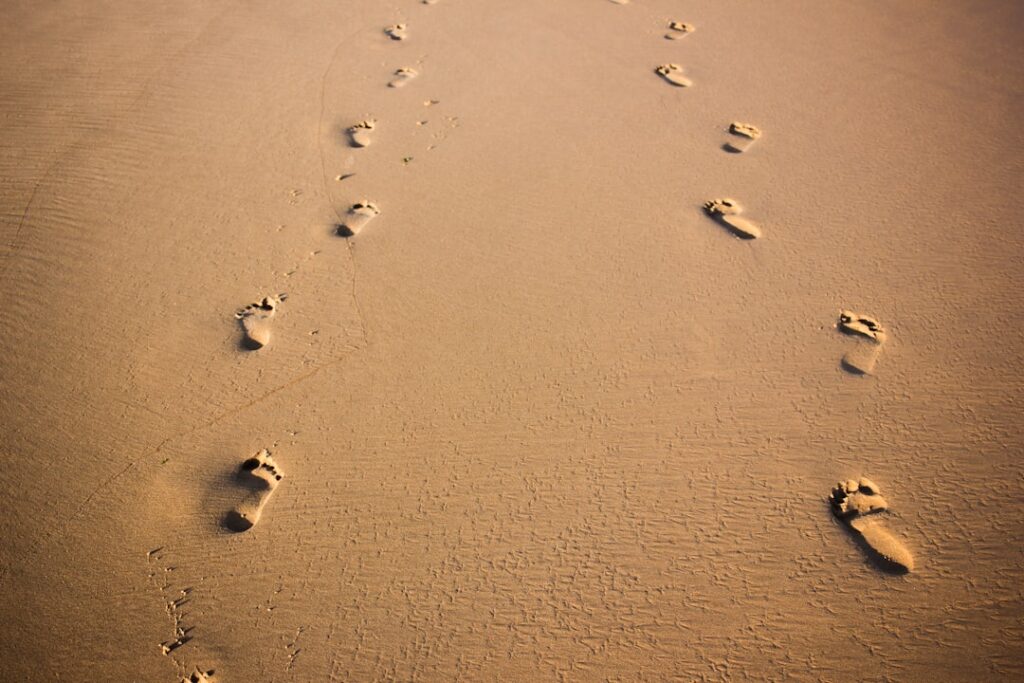
- Footprints in mud, sand, or snow—look at size, track shape, and spacing.
- Marked plants, scratched bark, or disturbed logs.
- Droppings ("scat"), which differ by species and offer clues about recent diet.
- Sounds at dusk or dawn—such as coyotes howling or birds calling.
- Feather piles, fur, or bones that may indicate predator or scavenger activity.
If encountering signs, avoid disturbing the area further, as excessive human activity can alter animal routines.
Can Technology Improve Animal Tracking?

Yes. Technology has expanded what’s possible—and with fewer impacts on wildlife:
- GPS and radio collars now weigh less, last longer, and can provide precise data without regular human tracking; however, local terrain like dense forest or steep valleys can sometimes block signals.
- Remote cameras can operate for months, capturing candid animal behavior unseen by people.
- Mobile tracking apps allow data collected in the field to be rapidly shared with research groups or land managers.
- Drones offer a new aerial perspective, but are used sparingly around sensitive species and nesting sites to avoid disruption.
Professionals are careful to use these tools with respect for privacy, animal welfare, and in compliance with local, state, and federal wildlife regulations.
Are There Challenges Unique to Sequim?
Sequim’s coastal edge, forested uplands, and adjacent farmlands create unique challenges and opportunities for trackers. Wet winters can erase tracks quickly, while summer’s dry spells mean trails and bedding areas are easier to spot. The area’s mix of private and public land means cooperation between agencies, landowners, and community members is key. In addition, sequim’s open plains and wooded ridgelines require trackers to adjust techniques according to visibility and vegetation density.
What Are Common Misconceptions About Tracking?
Some believe animal tracking is always high-tech, or that animals are constantly being monitored. In reality:
- Most animal movements are inferred from scattered evidence, not directly followed day-to-day.
- Camera traps and collars only focus on some individuals or species, not entire populations.
- Many signs go unnoticed without trained eyes; animal tracking often requires patience and frequent revisits to the same area.
- Tracking does not always mean capturing or touching animals—in many studies, no physical contact occurs.
These methods provide important ecological data, even when animals remain out of sight for much of the year.
How Can Residents of Sequim Support Wildlife Monitoring?
Simply by being observant and respectful. Sharing sightings, signs, and unusual animal behaviors with local agencies or established community science projects can enrich local studies. It’s also helpful to avoid disturbing known nesting or denning sites and to keep pets under control in areas where wildlife are present. This helps professionals gather accurate data and ensures animals can move safely through their habitats.