

 See My Latest Article on HelloNation
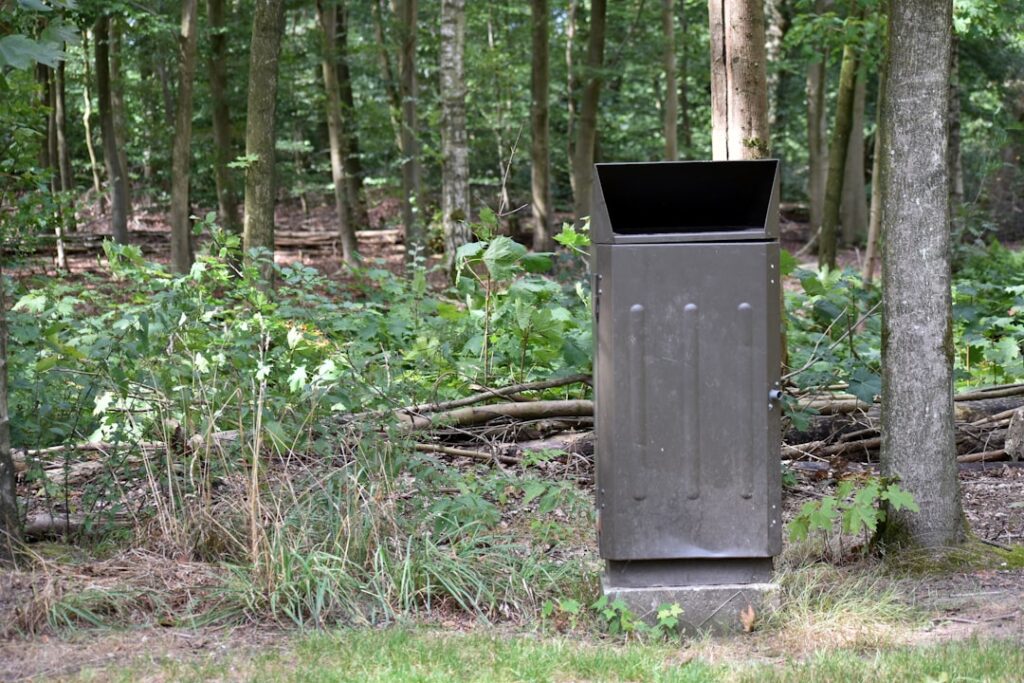
Why Do Wildlife Get Into Residential Trash?
Wildlife are naturally attracted to residential trash because it can provide a reliable source of food. In the Sequim, WA area, raccoons, black bears, opossums, ravens, and even deer are known to investigate unsecured garbage, especially if it contains food scraps or is set out overnight. Many animals have become skilled at overcoming weak latches or thin containers, particularly if human food odors are strong.
Outside food sources influence wildlife movement and behavior. Left unaddressed, repeated trash access encourages animals to return and may increase the risk of nuisance concerns or conflicts for households and the broader community.
What Types of Trash Attract Wildlife Most?
Food waste is the main draw for most wild animals. This includes fruit and vegetable peelings, meat scraps, pet food remnants, and even greasy paper towels. Birds and small mammals may also be attracted to disposable cups, containers, and leftover bread.
In the mild, rainy climate found in Sequim, moisture in trash bins can intensify odors, making bins more enticing. Residents who use composting bins outdoors should secure those as well, as even small amounts of food can attract wildlife, especially during the cooler months when natural food sources are limited.
How Can Sequim Residents Make Trash Less Appealing to Wildlife?
The easiest way to reduce wildlife intrusion is by minimizing scent cues and making trash bins harder to access. Key approaches include:
- Double bagging food waste, or storing it in sealed compostable bags before placing it in the trash
- Rinsing recyclable containers to remove food residues
- Avoiding placing meat, fish, or greasy items in compost piles not designed to exclude wildlife
- Using indoor freezers to store smelly waste (like seafood shells) until collection day, especially during warm spells
- Keeping trash lids tightly closed and cleaning bins regularly with soapy water to reduce odors
Are Certain Trash Containers Better at Deterring Wildlife?
Not all bins offer the same level of protection. Heavy-duty containers with locking or wildlife-resistant lids provide a stronger barrier against animals. In neighborhoods known for black bear sightings, the strongest option is a bear-resistant cart that uses a metal bar, latch, or turn handle rather than standard clips. Critter-resistant bins are also useful for deterring raccoons, which are adept at opening simple snap lids.
Some area households assemble DIY barriers with wooden boxes or tie-down straps. While these can help, they must be checked routinely: persistent wildlife may eventually learn to defeat simple modifications. Avoid using bungee cords alone, as these are often easily bypassed by raccoons or bear cubs.
Is Timing Important When Setting Out Trash?

Yes, timing makes a clear difference. Setting trash at the curb on the morning of collection, rather than the night before, shortens the window for wildlife to investigate bins. In Sequim’s mild spring and fall, wildlife activity can spike at dawn and dusk; by waiting until collection day, residents reduce the odds of attracting raccoons or bears overnight.
If early morning set-out is difficult, coordinate with neighbors to stagger bin placement, or consider using a secured, enclosed area until shortly before pickup.
Do Local Regulations Affect Trash Storage Practices?
In Sequim, waste management guidelines encourage keeping bins closed and secured between collections. While no citywide wildlife-proofing ordinance exists, residents in certain areas near open spaces or forest edges may receive additional recommendations. For example, storing bins inside a shed or garage is advised for homes adjacent to greenbelts or ravines, where bear activity has been reported in recent years.
Following public advisories from local agencies is important, especially in spring and early summer when animal foraging peaks. Residents are encouraged to contact public authorities if large animals repeatedly access trash, but routine prevention is the most effective long-term solution.
What Misconceptions Do Residents Often Have?
A common misconception is that only homes near wooded areas or creeks need to worry about wildlife accessing trash. In reality, bears and raccoons can travel several miles searching for food, and even suburban or in-town residents have reported overturned bins and scattered garbage.
Another error is assuming small animals or birds are harmless when accessing bins. Repeated visits—even by crows or ravens—can create a mess and teach other wildlife that food is available, potentially leading to more destructive encounters over time.
Can Community Habits Influence Wildlife Behavior?
Yes, collective action amplifies results. When multiple households in a block adopt wildlife-safe practices, animals are less likely to find easy food sources and may move on. Conversely, a single unsecured bin can keep wildlife returning to the same area and increase risk for all local residents.
Organizing neighborhood information-sharing, or supporting public education about wildlife deterrence, further supports community resilience and reduces the likelihood of conflicts with wild animals.