

 See My Latest Article on HelloNation
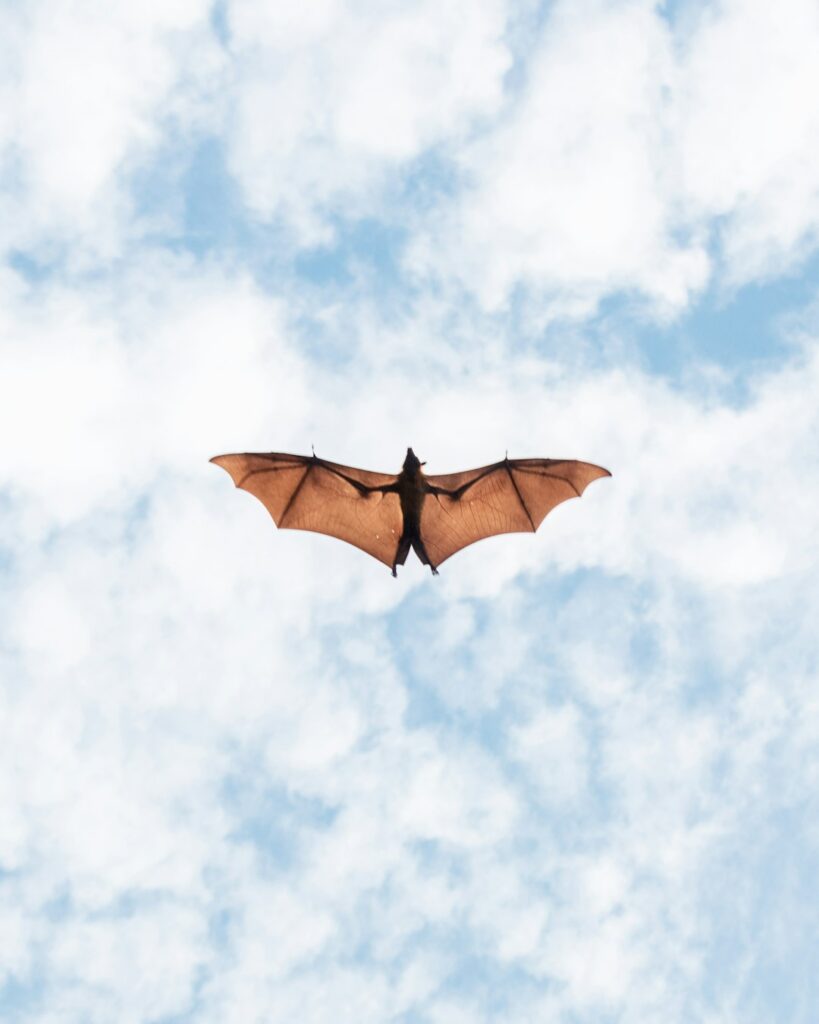
Why Are Bats Beneficial for Local Backyards?
Bats bring natural pest control, pollination support, and ecosystem balance to residential areas. In and around Sequim, these native flyers help manage insects, encourage healthy gardens, and maintain biodiversity—often while going unnoticed by most residents.
How Do Bats Help Control Mosquitoes and Insects?
Bats are exceptionally effective at reducing insect populations. A single small brown bat can eat hundreds of mosquitoes and other flying insects in just one night. This is particularly useful during the late spring and summer months when the temperate climate and sheltered yards attract hatches of mosquitos and moths.
Local bat species, including myotis and silver-haired bats, hunt over fields, gardens, and even small water features found in area neighborhoods. Without the presence of bats, mosquito and bug populations could quickly become a nuisance for those enjoying evening activities outdoors.
Common insects in the region that bats help control include:
- Mosquitoes (Culex, Aedes species)
- Moths and caterpillars that affect vegetable and flower gardens
- Beetles and agricultural pests that sometimes wander into backyard spaces
Do Bats Pollinate Plants or Offer Other Garden Benefits?
While most local bats in Sequim eat insects rather than nectar or fruit, their presence still indirectly supports healthy gardens. By eating garden pests such as beetles, cutworms, and moths, bats reduce the risk of plant disease and minimize the need for synthetic pesticides. This is especially valuable for backyard gardens and edible landscapes common in the community.
Unlike pollinators such as bees or hummingbirds, bats here do not pollinate fruits or flowers directly. However, areas that encourage diverse wildlife—bats included—often see healthier, more balanced backyard ecosystems.
Are Bats Dangerous or Helpful to Have Nearby?
Bats pose very little risk to people, pets, or property when left undisturbed. Healthy bats rarely approach humans, and their focus is on nighttime insect hunting, not causing problems. The risk of disease transmission, including rabies, is low if bats are not handled or provoked. In Sequim, occasional reports of bats in garages, attics, or outdoor buildings are often due to accidental entry rather than infestation.
Simple steps to coexist safely:
- Avoid handling bats or disturbing their roosts, especially from mid-summer to early fall when colonies may include young.
- Ensure window and vent screens are in good repair.
- If a bat is found indoors, allow it to exit with minimal intervention.
Where Do Bats Live in Local Neighborhoods?
Native bats seek out sheltered roosts close to consistent insect sources. In Sequim’s residential areas, bats may use:
- Gaps under rooflines or loose siding on older homes or outbuildings
- Lofts, barns, or abandoned sheds
- Behind loose bark or in hollow trees near water sources

Most bats prefer locations that stay warm and protected from wind and predators. Residents sometimes notice bats flying at dusk above lawns or neighborhood greenbelts, especially where light is low and insects congregate.
What Common Misconceptions Do Residents Have About Bats?
Many myths persist in the community, particularly regarding health and property damage. Common misconceptions include:
- Bats are likely to bite humans or pets—bats avoid contact and feed on insects, not blood.
- All bats carry rabies—while they can be hosts, the majority are disease-free; caution is only needed around obviously sick or grounded animals.
- Bats create large, destructive colonies—most species roost alone or in small family groups, and rarely cause structural issues unless trapped for long periods.
Education and understanding their habits often shift resident attitudes from concern to appreciation.
How Can Residents Support Bat Populations Responsibly?
Residents interested in encouraging bats can use simple, non-invasive methods:
- Preserve mature trees and snags where safe, which provide shelter and hunting grounds.
- Install bat houses on outbuildings or sturdy poles, ideally situated 12-20 feet off the ground and away from bright nighttime lighting.
- Limit use of strong pesticides and bug zappers, which reduce bat food sources.
Wildlife laws protect bats and their habitats, so disturbing established nursery colonies or removing bats without cause is discouraged. Observing bats at dusk or providing safe roosting spaces benefits both residents and the local environment.
What Should Be Done If a Bat Is Found Inside a Home or Building?
If a bat ends up indoors, remain calm and give it an opportunity to leave through open doors or windows. Avoid physical contact and do not attempt to trap or touch the bat. If the animal cannot exit or appears injured, guidance from wildlife authorities is recommended, especially if there is potential exposure to people or pets.
In most cases, bats leave on their own once they find an exit, and taking simple preventative measures reduces the likelihood of future visits.