
 See My Latest Article on HelloNation
What Does a Wildlife Rehabilitator Do?
A wildlife rehabilitator in Sequim, WA cares for injured, sick, or orphaned wild animals with the goal of returning healthy individuals back to their natural habitats. These experts work within ethical and legal frameworks, emphasizing the well-being of both animals and the local ecosystem. Residents sometimes encounter injured birds, deer, or other local species, and may wonder what happens after such animals are rescued—this is where rehabilitators step in.
Wildlife rehabilitators provide temporary care with specialized diets, medical treatment, and appropriate habitats that mimic the wild. Their job is not to turn wildlife into pets, but to restore each animal’s ability to thrive independently. Rehabilitation requires careful observation, patience, and an understanding of local species’ unique needs.
Why Might Wildlife Need Help in This Area?
Wildlife in the region faces challenges including vehicle encounters, window strikes, seasonal storms, and naturally occurring illnesses. Housing patterns near forests and open spaces mean people sometimes find young birds on the ground or spot injured mammals after windstorms. The mild, wet climate supports a rich diversity of life but also increases the risk of exposure and stress for animals without shelter.
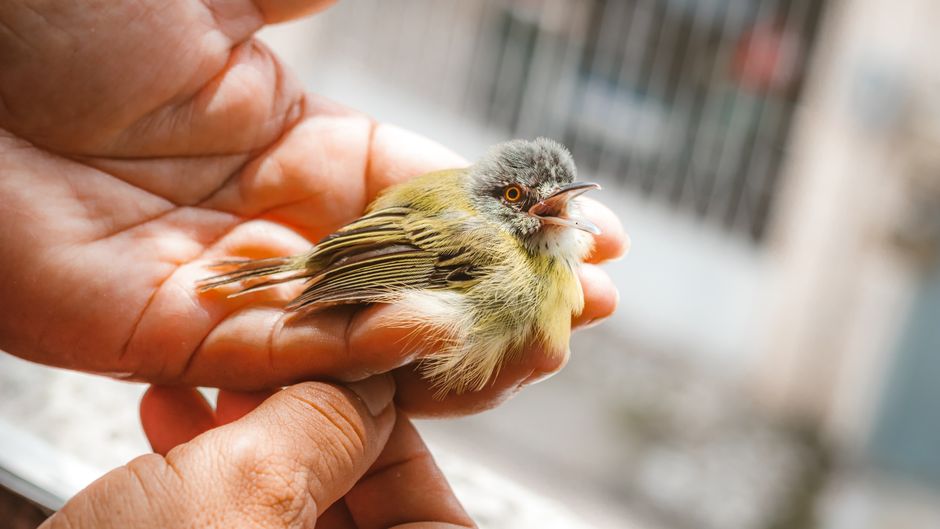
Not all wild animal encounters are emergencies—wildlife rehabilitators evaluate each situation to decide if intervention is truly needed. For example, fledgling songbirds often spend time on the ground as part of their natural development, while some young mammals are temporarily left alone by parents.
What Training and Experience Do Rehabilitators Have?
Wildlife rehabilitators typically have training in animal handling, biology, disease transmission, and local ecology. In Washington, a state wildlife rehabilitation permit is required, along with ongoing education to maintain best practices. Many rehabilitators also volunteer time for continuing education focused on new research and local trends.
Their expertise helps prevent the spread of disease, ensures humane handling, and supports balanced relationships between wildlife and area households. Experience with species common in Sequim, such as songbirds, raptors, and ungulates, is especially valuable during busy seasons like spring and early summer.
What Happens During the Rehabilitation Process?
When an injured or orphaned wild animal is brought in, a rehabilitator first assesses whether the animal can survive in the wild without help. If intervention is necessary, the process may include:
- Providing immediate first aid or emergency care
- Diagnosing illnesses or injuries
- Administering medications as needed
- Creating appropriate enclosures that minimize human interaction
- Ensuring nutritional needs specific to species and life stage
Rehabilitation takes as long as necessary for full recovery. Before any release, rehabilitators monitor strength, mobility, feeding skills, and predator awareness. If an animal cannot be released, experts follow state guidelines for ongoing care or humane outcomes.
How Do Rehabilitators Work With Residents?
Residents may find wild animals in distress in fields, parks, or neighborhoods. Rehabilitators are a resource for guidance on whether the situation requires intervention. They often answer questions about:
- When (and when not) to rescue a young or injured animal
- The safest way to contain a wild animal for transport
- How to minimize stress on the animal during rescue
- Legal considerations—wild animals are protected and must be handled under regulated conditions
Educational outreach is often part of their work, helping community members understand wildlife behavior and prevent unintentional harm.
Are There Laws and Regulations Involved?
Handling wild animals, even with good intentions, is regulated for public health and animal welfare reasons. In this region, only permitted wildlife rehabilitators may legally provide care beyond simple containment for immediate transport.
Laws help protect native species and prevent invasive diseases from spreading among wildlife and domestic animals. Local and state agencies oversee permitting, facility standards, and recordkeeping to ensure proper treatment and release practices.
What Are the Challenges and Rewards?
Wildlife rehabilitators navigate unpredictable schedules, emotionally difficult decisions, and hands-on tasks ranging from tube feeding tiny songbirds to setting splints on deer legs. Some animals, despite their best efforts, do not survive. Releases—when an animal returns to its natural habitat—are rewarding moments that sustain many through long and challenging days.
The work supports both individual animal welfare and larger ecosystem health, reducing human-wildlife conflict. In smaller communities like Sequim, knowledge of local landscapes and seasonal patterns improves outcomes for wildlife and residents alike.