

 See My Latest Article on HelloNation
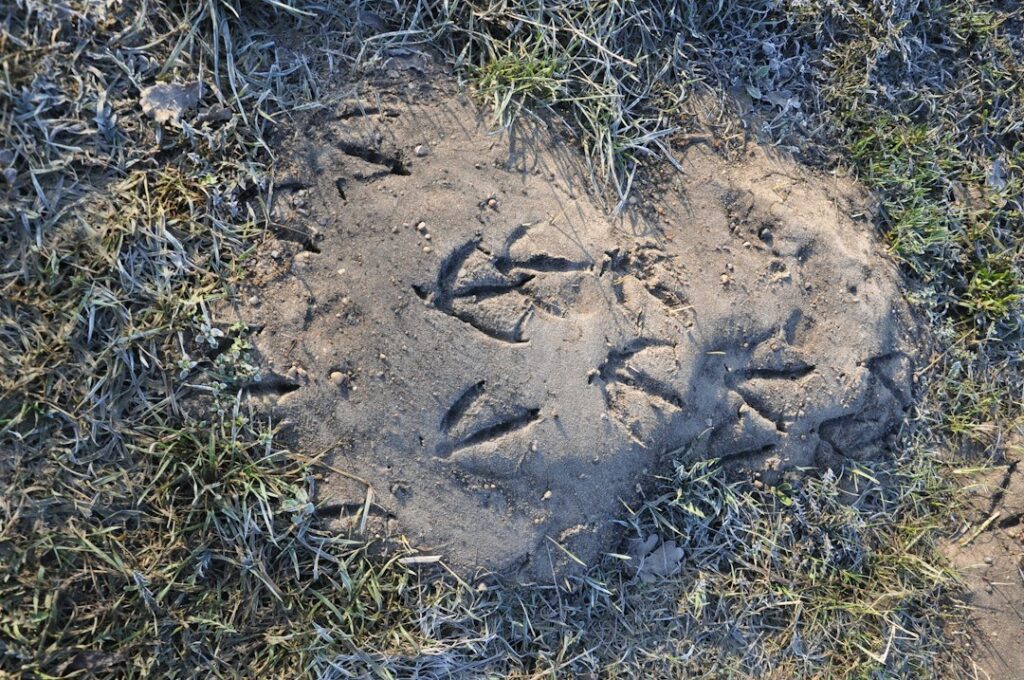
Wild animals are often nearby long before anyone sees them. In Sequim, WA, signs such as tracks, feeding marks, feathers, droppings, disturbed soil, and nighttime sounds can reveal which species are moving through a yard, neighborhood, or nearby open space.
Learning to read these clues helps residents understand normal wildlife activity, protect pets and gardens, and recognize situations that may require extra caution.
What counts as a sign of wildlife?
A wildlife sign is any physical or sensory clue left behind by an animal. Direct sightings are useful, but indirect evidence is often more reliable because many species are most active at dusk, overnight, or in areas with dense vegetation.
Common signs include:
- Tracks in mud, sand, dust, or soft soil
- Droppings along trails, lawns, or garden edges
- Chewed vegetation, stripped bark, or opened fruit
- Scratches on soil, tree trunks, decks, or building surfaces
- Feathers, fur, eggshells, or partially eaten food
- Narrow paths through grass or groundcover
- Burrows, cavities, nests, or sheltered resting places
- Calls, rustling, wing beats, or movement on roofs
The location matters as much as the sign itself. A track beside a drainage feature, a trail along a fence, or scat near a food source can reveal how an animal is traveling through the neighborhood.
How can tracks be identified?
Tracks are easiest to see after light rain, during a damp morning, or in soft soil near gardens and walkways. A single print can be misleading, so look for a series of prints and observe the animal’s pattern of movement.
Deer tracks usually look like two pointed, teardrop-shaped halves forming a split heart. Repeated travel may create a narrow path through grass or low vegetation. Deer may also leave a visible browse line where shrubs and low branches have been clipped repeatedly. In areas where deer are present, a single animal crossing a road may indicate that others are nearby. ([wdfw.wa.gov](https://wdfw.wa.gov/species-habitats/living/species-facts/deer?utm_source=openai))
Coyote tracks are generally narrower and more oval than many domestic dog tracks. The prints often appear in a relatively straight, efficient line, especially along fence lines, dirt roads, trails, or the edges of open ground. Hair caught on a low wire fence can also indicate regular passage. ([wdfw.wa.gov](https://wdfw.wa.gov/species-habitats/species/canis-latrans?utm_source=openai))
Raccoon tracks may show long toes and a hand-like appearance. They are often found in mud, sand, or soft soil near water, culverts, fences, decks, and buildings. Raccoons may leave smudges or scratch marks when climbing downspouts, trees, or building corners. ([wdfw.wa.gov](https://wdfw.wa.gov/species-habitats/species/procyon-lotor?utm_source=openai))
Squirrel activity is frequently easier to notice through movement and feeding damage than through tracks. Look for small gnaw marks on cones or nuts, bark disturbance, and travel across rooftops, wires, or tree branches. Tracks may be difficult to find unless the ground is unusually soft. ([wdfw.wa.gov](https://wdfw.wa.gov/species-habitats/living/species-facts/tree-squirrels?utm_source=openai))
What do feeding marks reveal?
Feeding damage can identify both the animal and the type of food attracting it.
Deer often browse the tips of shrubs and low branches, leaving ragged ends or a consistent feeding height. They may also step through planted beds or eat ornamental vegetation without digging.
Rodents commonly leave paired tooth marks, gnawed seed pods, or neatly opened nuts. Squirrels may carry food away from a tree, while smaller rodents may leave concentrated debris beneath shrubs, sheds, or woodpiles.
Raccoons may overturn containers, pull apart compost, or investigate lawns for grubs and other invertebrates. Freshly disturbed soil, shallow holes, and overturned mulch can indicate nighttime foraging rather than digging for shelter.
Bird activity may be identified by scattered feathers, opened seeds, bark pecking, or fruit damaged in place. If several types of signs occur around the same food source, more than one species may be visiting.
How can droppings and fur be interpreted safely?
Droppings can confirm regular animal movement, but they should not be handled directly. Their appearance changes with diet, moisture, and age, so identification based on a single sample is uncertain.
Fresh scat may be found along travel routes, beside fences, under shrubs, or near food sources. Predator scat can contain visible hair or plant material, while herbivore pellets are usually more uniform and compact. These clues are useful for forming a hypothesis, not for making a definite identification.
Use gloves and wash hands after working near suspected droppings. Keep children and pets away from contaminated areas, and avoid sweeping or stirring dry material because dust can spread particles. If droppings are inside an attic, crawl space, shed, or enclosed structure, avoid entering without appropriate protection.
Fur caught on fences, rough bark, or narrow openings can also indicate an animal’s route. The color and texture may help, but fur alone is rarely enough to identify a species confidently.

Why are wildlife signs common in neighborhoods?
Neighborhoods often overlap with natural travel corridors. Drainage channels, stream edges, wooded slopes, shoreline bluffs, wetlands, and undeveloped parcels can provide food, shelter, and routes between larger habitat areas. Local planning documents identify stream corridors, ravines, wetlands, and steep slopes as important wildlife connections in and around Sequim. ([sequimwa.gov](https://www.sequimwa.gov/DocumentCenter/View/8677?utm_source=openai))
Fences, roads, culverts, hedges, and landscaped yards can guide animal movement. A raccoon may follow a fence toward a food source. A deer may use the same opening between properties night after night. Coyotes may travel along the edge of a road or open field because those routes are easier to navigate than dense vegetation.
Seasonal conditions also affect what residents notice. Spring brings nesting, denning, and increased feeding activity. Summer may produce more tracks around water sources and irrigated yards. Autumn can increase feeding near fruit trees and garden areas. Winter rain makes some tracks easier to see, even though vegetation may conceal others.
How can residents avoid misreading the evidence?
Not every hole, track, or damaged plant comes from wildlife. Domestic dogs can create confusing tracks, irrigation can wash away or distort prints, and wind can move leaves or feathers. A fallen branch may resemble a feeding mark, while a cat’s movement can be mistaken for a small wild mammal.
Before drawing conclusions, check:
- Whether the sign is fresh or weathered
- The size and repeated pattern of tracks
- The distance between prints
- Nearby food, water, cover, or shelter
- Whether similar signs occur in more than one location
- The time of day when activity is observed
A trail camera can help document movement, but it should be placed where it does not intrude on neighbors or create a safety concern. Photographs of tracks beside a ruler or common object can also make later identification easier.
When does wildlife activity require caution?
Most signs simply indicate that an animal is using available habitat. Extra caution is warranted when an animal appears sick, unusually tame, trapped, aggressive, repeatedly active during daylight in a distressed manner, or present inside a living space.
Do not approach young animals, attempt to feed wildlife, or block an entry hole before confirming that no adults or dependent young remain inside. Washington guidance recommends identifying the species, locating the entry point, and checking for young before addressing an animal in or under a structure. ([wdfw.wa.gov](https://wdfw.wa.gov/species-habitats/living/nuisance-wildlife/evicting?utm_source=openai))
Keep pets supervised near areas with fresh tracks, scat, or carcass remains. Secure food waste, clean fallen fruit, and avoid leaving pet food outdoors overnight. If a wild animal poses an immediate threat to people or pets, or if removal involves a hazardous structure, state wildlife guidance or emergency assistance may be appropriate. ([wdfw.wa.gov](https://wdfw.wa.gov/species-habitats/living/nuisance-wildlife?utm_source=openai))
The most useful habit is careful observation: note the sign, consider the habitat, look for patterns, and give wildlife space. A neighborhood can reveal a surprising amount about its animal residents without requiring a direct encounter.