

 See My Latest Article on HelloNation
How Have Local Wildlife Species Rebounded in Recent Decades?
Several animal species native to the area near Sequim, WA have made remarkable recoveries, providing hope for both nature enthusiasts and everyday residents. These stories demonstrate the impact of persistent conservation efforts tailored to the region’s unique landscapes.
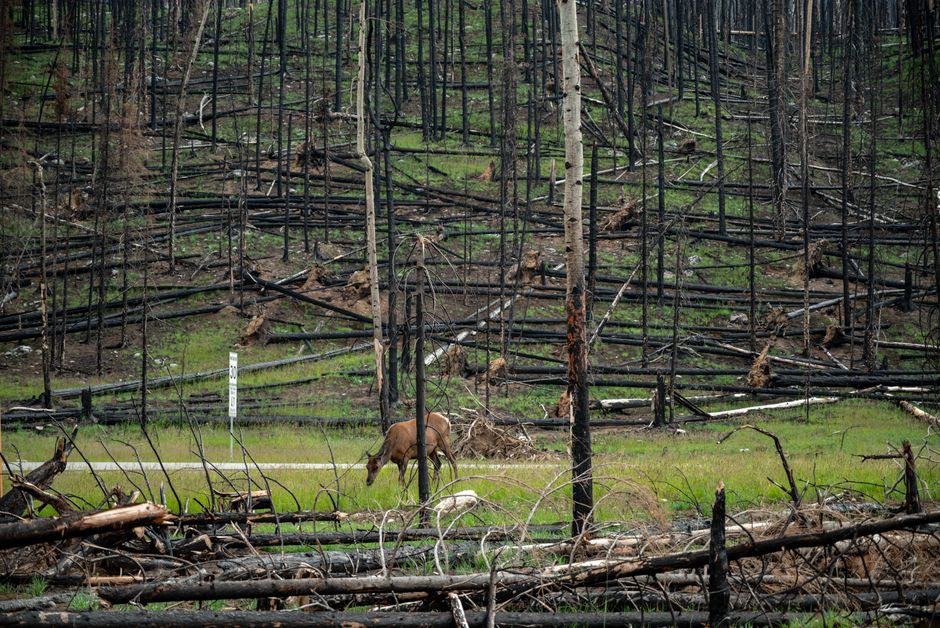
One prominent example is the Roosevelt elk. Decades ago, these elk faced significant population declines due to overhunting and habitat loss. Today, thanks to coordinated wildlife management and careful land-use planning, their numbers have rebounded, and it’s not uncommon for residents to spot elk herds moving through local open spaces and foothills. Similarly, river otters—once threatened by water pollution and habitat degradation—now thrive along cleaner waterways thanks to improved local stewardship.
What Role Have Salmon Restoration Projects Played?
Restoring salmon runs has been a multi-generational project, vital to both cultural heritage and ecosystem health. Local waterways, such as the Dungeness River, have benefited from collaborative efforts involving habitat restoration, improved spawning grounds, and better water management practices.
As a result, certain runs of Chinook, coho, and pink salmon are slowly recovering:
- Removal of blockages, like old dams or fish-unfriendly culverts, has reopened miles of essential spawning habitat.
- Riparian tree planting stabilizes banks and provides the cool shade needed by young fish.
- Residents contribute by reporting illegal dumping and supporting community clean-ups.
While challenges remain—including climate change and ongoing habitat pressure—recent fish count surveys show promising increases in juvenile salmon in stretches that were once nearly devoid of them.
How Have Bald Eagles and Raptors Returned to the Area?
Once scarce due to pesticide use and habitat disruption, bald eagles and other raptors have returned in greater numbers. Their resurgence is closely tied to national bans on harmful chemicals and the protection of nesting trees along rivers and coastlines. In the area’s open fields and waterways, it is now routine to observe eagles and hawks soaring overhead or perched quietly, hunting for prey.
Residents also help protect these birds by respecting nesting areas and recognizing their critical place in the ecosystem as both hunters and scavengers, contributing to natural balance and rodent control.
Are There Success Stories Involving Amphibians and Wetland Creatures?
The recovery of amphibian species—such as Pacific tree frogs and rough-skinned newts—relies on intact wetlands and restored pond environments. Local conservation work has focused on:
- Fencing off sensitive breeding habitats during key seasons
- Creating “frog crossings” under local roads where possible
By supporting wetland buffer zones and limiting the use of chemicals in gardens and on heavy traffic roadways, the community helps these indicator species bounce back, signaling overall wetland health and benefitting a wide web of local wildlife.
What Common Misconceptions Block Further Conservation Progress?
A frequent misconception is that only rare or “charismatic” animals benefit from conservation. In fact, the restored habitats that support visible species like elk or eagles also provide essential refuge to hummingbirds, pollinators, and smaller mammals. Another misunderstanding is that local conservation efforts are ineffective unless populations return to historical highs—when, in reality, any sustained rebound (even if gradual) can stabilize vulnerable populations and enrich the area’s natural character.
How Can Residents Contribute, Even Indirectly?
Local residents don’t need to work directly with wildlife to play a positive role. Practical, everyday actions can have real impact:
- Maintaining native vegetation in yards provides food and shelter for birds and mammals.
- Reducing pesticide and herbicide use lessens toxic runoff into streams.
- Reporting injured or distressed animals to public agencies ensures professional intervention where needed.
Respecting seasonal trail closures or habitat signs allows sensitive species space to recover or breed undisturbed—helping ensure that wildlife success stories continue unfolding across the region for generations to come.