

 See My Latest Article on HelloNation
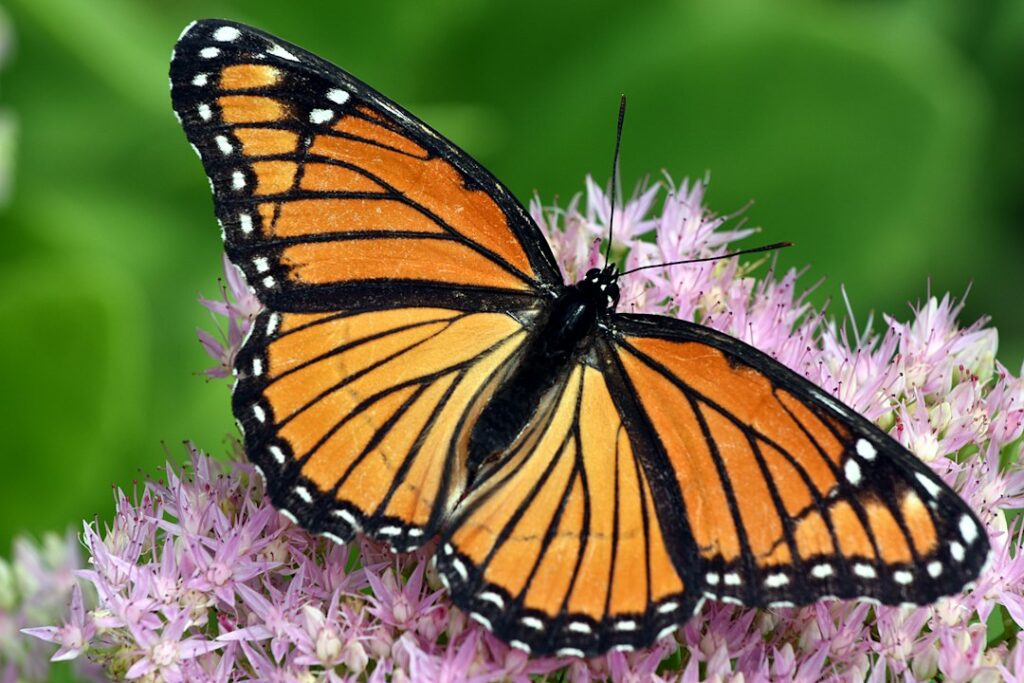
Monarch butterflies are in trouble because the western population has lost much of the habitat it needs for breeding, migration, and winter survival. Milkweed shortages, pesticide exposure, drought, wildfire, invasive plants, and development all contribute to the decline. For residents of Sequim, the most useful response is to protect flowering habitat, avoid unnecessary pesticide use, and understand that a monarch-friendly space needs more than a few nectar flowers.
Are monarch butterflies declining in Washington?
Yes. Washington’s monarch population is considered low and declining. Monarchs that occur west of the Rocky Mountains form part of the western migratory population, which generally travels to coastal California for winter rather than gathering in the interior mountain forests used by the eastern population. Washington provides breeding and migration habitat, but monarchs do not normally overwinter here. ([wdfw.wa.gov](https://wdfw.wa.gov/species-habitats/species/danaus-plexippus?utm_source=openai))
The western population has experienced a particularly severe long-term decline. Surveys and conservation assessments identify habitat loss, pesticides, drought, and climate-related changes as major pressures. The annual number of butterflies can rise or fall because of weather, but a single good season does not necessarily mean the population has recovered. Long-term trends are more meaningful than occasional local sightings. ([xerces.org](https://xerces.org/monarchs/conservation-efforts?utm_source=openai))
Why do monarchs need milkweed?
Milkweed is essential because monarch caterpillars can develop only on milkweed plants in the genus *Asclepias*. Adult monarchs feed on nectar from many flowering plants, but females must find milkweed before they can lay eggs. The caterpillars eat the leaves, pupate nearby, and emerge as adult butterflies. ([wdfw.wa.gov](https://wdfw.wa.gov/species-habitats/species/danaus-plexippus?utm_source=openai))
Milkweed also helps protect monarchs. Its natural chemicals accumulate in the caterpillar and adult butterfly, making them less appealing to some predators. Removing milkweed from roadsides, field edges, wetland margins, and open land removes breeding habitat even if many other flowers remain nearby.
In Washington, monarchs have been associated with species such as showy milkweed, narrow-leaf milkweed, and swamp milkweed. Showy milkweed accounts for most recorded monarch observations in the state, although the appropriate plant depends on soil, moisture, sunlight, and local habitat conditions. ([wdfw.wa.gov](https://wdfw.wa.gov/sites/default/files/publications/02433/wdfw02433.pdf?utm_source=openai))
What habitat has been lost?
Monarchs need a connected sequence of habitats rather than one isolated garden. During their annual movement, they need milkweed for reproduction, nectar plants for energy, sheltered vegetation for rest, and trees or other cover during cold, windy, or rainy weather.
Habitat can be lost in several ways:
- Open fields and field edges may be converted to buildings, roads, lawns, or intensively managed landscapes.
- Mowing or grazing during the period when milkweed supports eggs and caterpillars can destroy an entire generation.
- Invasive plants can crowd out milkweed and native nectar plants.
- Herbicides can remove the plants monarchs depend on.
- Removing shrubs, trees, or vegetation along migration routes can reduce shelter and late-season food.
In Washington, milkweed and monarchs are often found in open or sparsely vegetated areas, including places near wetlands and streams. That does not mean every unmanaged area is suitable, but it does mean that a patch of “weeds” may contain valuable wildlife habitat. ([wdfw.wa.gov](https://wdfw.wa.gov/species-habitats/species/danaus-plexippus?utm_source=openai))
How do pesticides affect monarchs?
Pesticides can harm monarchs directly and indirectly. Insecticides may kill eggs, caterpillars, or adult butterflies. Herbicides reduce milkweed and flowering plants. Even when an application is not aimed at butterflies, spray drift or contaminated vegetation can affect insects using the area.
The risk is greater when pesticides are applied to flowering plants or milkweed. A garden may appear attractive to butterflies while also exposing them to chemicals. The Xerces Society identifies pesticide use as one of the principal threats facing western monarchs, along with habitat loss and climate change. ([xerces.org](https://xerces.org/publications/fact-sheets/how-you-can-help-western-monarchs?utm_source=openai))
For households, practical precautions include:
- Avoid spraying flowering plants when butterflies or other pollinators are present.
- Do not apply insecticides directly to milkweed.
- Treat only the affected area rather than applying broad, preventative treatments.
- Check whether hand removal, pruning, barriers, or improved watering practices can address the problem first.
- Follow all product directions and required precautions if a pesticide must be used.
A caterpillar-covered milkweed plant is not necessarily unhealthy. Leaf loss is a normal part of monarch breeding, and removing caterpillars defeats the purpose of planting the host plant.
Does climate change affect monarch butterflies?
Yes. Monarchs depend on timing: milkweed must emerge when females are ready to lay eggs, flowers must be available during migration, and winter habitat must remain suitable for resting butterflies.

Drought can reduce milkweed survival, growth, and seed production. Heat and changing precipitation patterns may also alter when plants flower and when monarchs arrive. Severe weather can damage breeding habitat, while warmer winter conditions may affect the sheltered microclimates monarchs need during the nonbreeding season. ([wdfw.wa.gov](https://wdfw.wa.gov/species-habitats/species/danaus-plexippus?utm_source=openai))
The relatively dry conditions that are familiar around Sequim can make thoughtful water management especially useful in home habitat. Native and locally appropriate plants that can tolerate seasonal dryness are more likely to persist than plants requiring frequent irrigation. A small area with healthy, continuously flowering plants is generally more valuable than a larger planting that dries out or is heavily disturbed.
What can residents do to help?
Residents can improve conditions for monarchs without trying to create a formal butterfly exhibit. The goal is to provide safe, pesticide-free habitat that supports several stages of the life cycle.
Useful steps include:
- Plant regionally appropriate milkweed in a sunny location with suitable drainage and moisture.
- Add nectar plants that bloom at different times, including late-season flowers.
- Keep some natural vegetation along property edges instead of mowing every area uniformly.
- Delay mowing or cutting milkweed until caterpillars have finished developing and adult butterflies have moved on.
- Avoid non-native tropical milkweed, which can remain green or flower outside the normal seasonal pattern and may create disease and migration concerns in western monarch habitat. ([xerces.org](https://www.xerces.org/western-monarch-call-to-action?utm_source=openai))
- Leave a few stems, leaf piles, shrubs, and sheltered corners undisturbed when practical.
- Reduce outdoor lighting near habitat at night, particularly where migrating insects may rest.
- Record sightings with a photograph, date, and general location, then submit observations through an established wildlife reporting program.
It is also useful to support habitat beyond individual yards. School grounds, community open spaces, drainage margins, rural field edges, and garden borders can function as stepping stones when they contain suitable plants and are managed with fewer chemicals.
Are all orange butterflies monarchs?
No. Several butterflies can look orange or orange-brown, especially at a distance. Monarchs are large, with strong black veins, black wing borders marked by white spots, and a relatively uniform orange color. Their look-alike, the viceroy, has a dark line across the hindwing that monarchs do not have.
Photographs are usually more reliable than memory, especially when reporting an observation. A clear picture of the upper wing pattern, underside, and the plant being used can help identify both the butterfly and its habitat.
Protecting monarchs does not depend on seeing large numbers every year. In the Pacific Northwest, a single passing adult may represent a much larger landscape story involving breeding areas, migration corridors, winter groves, weather, and the availability of milkweed hundreds of miles away. Maintaining safe habitat in and around Sequim is one practical part of that wider conservation effort.