

 See My Latest Article on HelloNation
When Are Animals Most Active in and Around Sequim, WA?
Animal activity in Sequim changes with the rhythm of the seasons. Many local species follow cycles tied to temperature, daylight, food availability, and breeding behavior. Late spring through early autumn offers the richest opportunities to see a variety of birds and mammals, though each season provides unique encounters.
What Wildlife Can Residents Expect to See Throughout the Year?
Each part of the year in Sequim brings a distinct lineup of wildlife experiences. Here’s a breakdown by season:
Late Winter to Early Spring (February–April)
- Many birds return or pass through during spring migration. Expect to see robins, warblers, and sparrows arriving in backyards and open fields as snows melt.
- Local elk herds often move to lower elevations, making them easier to spot in the open farmland and meadows surrounding the city.
- Amphibians emerge in damp woodland areas and small ponds, where residents might hear the chorusing of frogs.
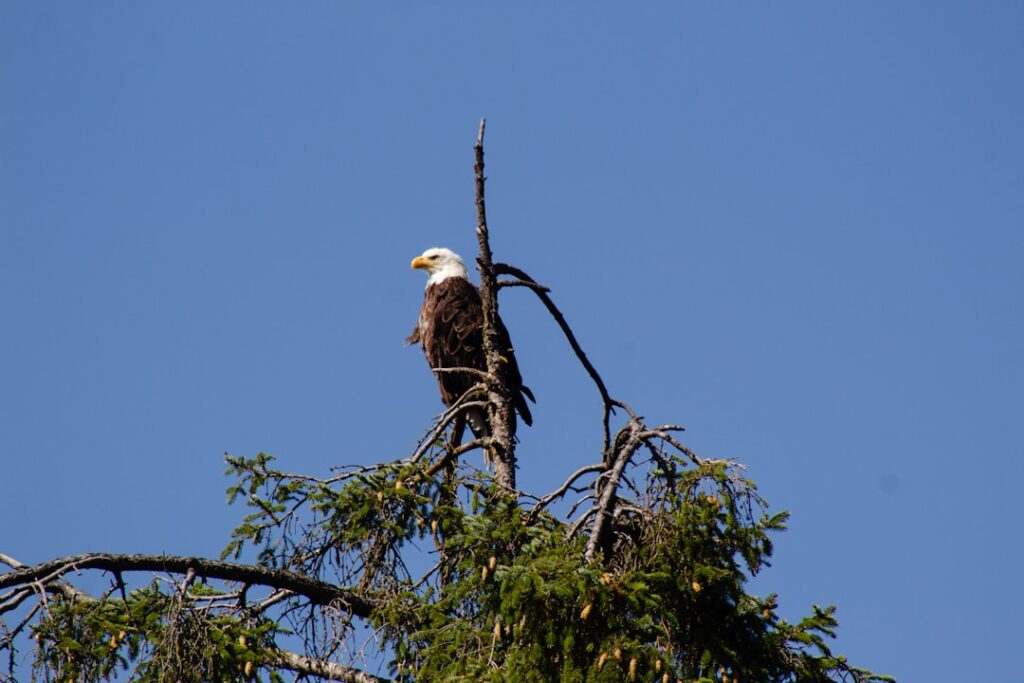
- Bald eagles and other raptors begin nesting as early as February; look for pairs along rivers and wooded edges.
Late Spring to Summer (May–August)
- Songbirds are at their most visible, singing from treetops and nesting in gardens and parks.
- Fawns appear with black-tailed deer, often seen along quiet roads and trails.
- Bats take to the evening skies, especially around water sources, feeding on mosquitoes and other insects.
- Ospreys and kingfishers hunt over rivers and estuaries.
- Butterfly and bee activity peaks as wildflowers bloom across open spaces.
Autumn (September–November)
- Raptors migrate south; this period offers excellent opportunities to observe hawks, eagles, and falcons in flight.
- Fall brings increased visibility of black-tailed deer as rutting (mating) activity begins.
- Mushroom foragers often encounter Douglas squirrels active in local conifer stands.
- Resident species start preparing for winter—watch squirrels and jays caching food.
Winter (December–January)
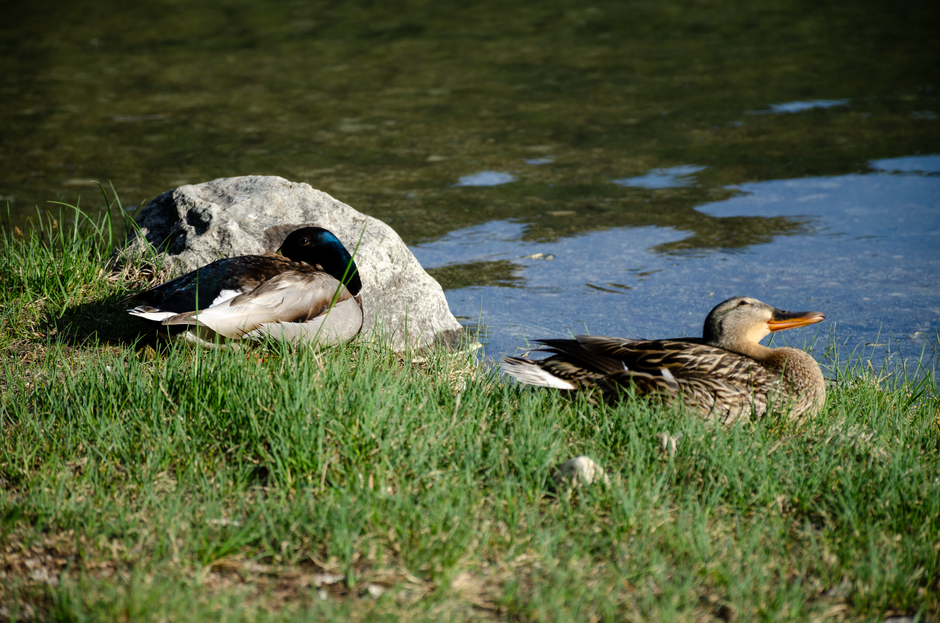
- Waterfowl populations surge as ducks, geese, and swans overwinter in local wetlands and along the shoreline.
- Owls may be easier to spot due to reduced foliage and longer nights.
- Some mammals, such as river otters, remain active and are sometimes noticed along streams even in cold months.
- The landscape is quieter, but persistent observation can reveal overwintering birds and mammals adapted to chilly conditions.
What Habitats Offer The Best Opportunities?
Different wildlife use different parts of the landscape. The following settings offer especially good chances for observation:
- Forest and edge habitats are good for deer, woodpeckers, and small mammals.
- Open fields and farmland may host elk, swans, and hunting birds of prey.
- Freshwater wetlands and the coast are hotspots for waterfowl, shorebirds, and otters.
- Residential neighborhoods attract songbirds, bats, and the occasional deer or fox, especially where gardens meet natural cover.
Seasonal changes affect not just which species are present, but where they are most visible. For instance, wintering ducks cluster in sheltered ponds, while eagles may congregate where rivers remain unfrozen and food is accessible.
What Times of Day Are Best for Observation?
Wildlife tends to be most active at dawn and dusk—the hours just after sunrise and before sunset. Birds typically feed most energetically early in the morning, while mammals like deer and elk may move at the edges of daylight to avoid human and predator activity. Evening is also peak time for bats and some owl species.
Patience matters: animal movements are less predictable than clockwork. Sitting quietly or scanning an area from a distance often brings better results than walking quickly through wild spaces.
Are There Common Misconceptions About Wildlife Viewing?
Some assume summer is always best, but many of the area’s most striking species—such as eagles, trumpeter swans, or certain migratory ducks—are abundant in winter. Conversely, residents sometimes overlook subtle spring wildlife activity like amphibian breeding or early songbird arrivals.
Another misconception is that viewing requires remote settings. While wild spaces offer diversity, even city parks and larger backyards can host a remarkable range of animals during the right season.
Tips for Responsible Viewing
Wildlife watching is most rewarding—and safe for animals—when done respectfully:
- Keep a quiet distance; use binoculars or zoom lenses rather than approaching.
- Avoid feeding wild animals.
- Stay on established paths to prevent habitat damage.
- Protect pets from wildlife and vice versa, especially during spring and summer when young animals are most vulnerable.
By tuning into seasonal cues and matching times of day to species’ routines, Sequim residents can enjoy memorable wildlife moments year-round.