

 See My Latest Article on HelloNation
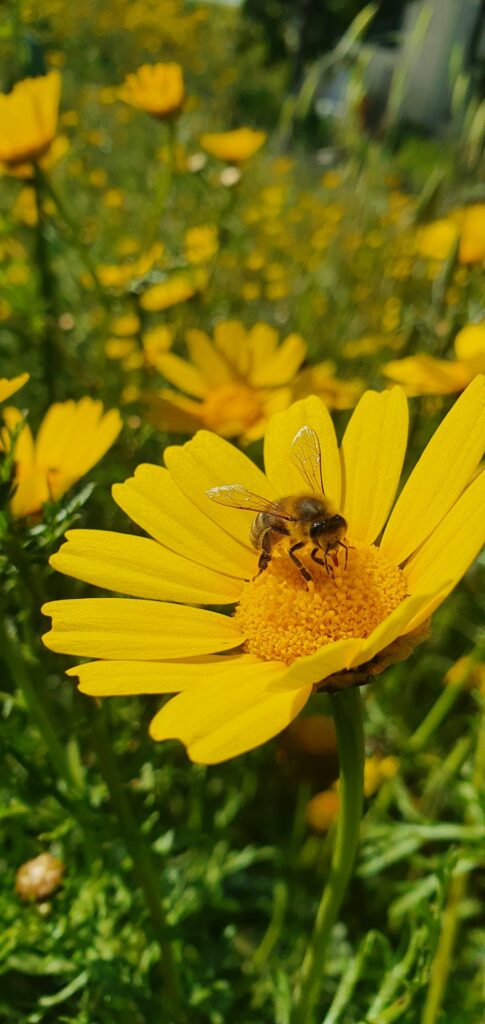
Why Are Bees Disappearing?
Bees are disappearing due to a combination of stressors, including pesticide use, habitat loss, disease, and climate shifts. Each of these factors impacts wild and managed bee populations in different ways, and their combined effects threaten both native and honeybee colonies.
What Factors Are Driving Bee Population Declines?
The main causes include exposure to pesticides (especially neonicotinoids), the spread of parasites like Varroa mites, viral and bacterial diseases, loss of diverse forage and nesting sites, and weather changes linked to shifting climate patterns. In a coastal climate like Sequim, mild winters and intermittent droughts alter local flowering cycles and challenge bee food supply.
- Pesticides: Neonicotinoids and similar chemicals, often used in gardens and agriculture, can disorient bees or reduce their reproductive success even at low doses. Backyard treatments for lawns, ornamentals, and home orchards contribute to local exposure.
- Habitat Loss: The conversion of meadows, hedgerows, and native scrub to lawns or homes reduces safe places for bees to feed or nest. Removing naturally flowering weeds from yards further limits food diversity.
- Parasites and Disease: Local beekeepers sometimes lose hives mainly from Varroa mite infestations, which also stress native pollinators by facilitating the spread of viruses. Fungal problems like Nosema also impact bee health.
- Weather and Climate: The area’s cool, damp springs and summer dry spells may shift when flowers bloom. Bees can struggle to find food if plant cycles and bee activity periods fall out of sync.
How Does Bee Loss Affect Sequim Residents?
With fewer bees, some local gardens and orchards may see lower fruit and seed yields. Pollinators like bees are essential for crops such as apples, berries, squash, and wildflowers that support broader wildlife.
- Food Security: Many home gardens and local farms depend on wild bee visits for pollination. Decreases in bee numbers could mean lighter harvests or misshapen fruit, affecting both personal and community food resources.
- Biodiversity: Wild bees support more than crop plants. They help maintain natural habitats by pollinating native shrubs and wildflowers, beneficial for bird and other pollinator populations.
Can Residents Make a Difference in Bee Health Locally?
Active steps by local households and community members can improve outcomes for both wild and managed bees.
What Are the Most Effective Actions for Individuals?
Start with small changes across yards, gardens, or community green spaces that directly address known threats:
- Reduce or eliminate pesticide use: Opt for manual or organic pest management techniques rather than chemical sprays, especially during bloom.
- Plant bee-friendly flowers: Choose a variety of native or locally adapted flowering plants that bloom from early spring to late fall to offer consistent forage.
- Provide safe nesting habitat: Leave some open ground, leave brush piles in quiet corners, or install simple bee houses for solitary bees.
- Support diverse plantings: Avoid large swaths of single-species lawns. Even small wildflower patches or borders around vegetable beds can help.
- Let clover and dandelions grow: Flowering ground covers and early-blooming “weeds” feed bees before many ornamentals begin flowering.
Are There Local Challenges Unique to Sequim?
Water availability can be a limiting factor for pollinator-friendly gardens, especially during summer dry spells. Local climate means some plants may not bloom as long as they would in wetter or more sheltered regions.

- Use drought-tolerant, pollinator-safe plant species suited to local soil and rainfall patterns.
- Provide shallow water sources, such as stones in a birdbath, for bees during stretches of hot or dry weather.
Are All Bees Equally at Risk?
Honeybee losses attract headlines, but native solitary bees—which make up most of the area’s wild pollinators—also face high risks from habitat and forage loss, sometimes even more acutely than honeybees. Bumblebees, mason bees, and small mining bees all play major roles in gardens and wild lands.
Supporting bee diversity, not just honeybee populations, is most effective for sustaining pollination and local ecosystem health.
Common Misconceptions About Helping Bees
- “Planting any flowers will help.” Not all garden plants offer good nectar or pollen; prefer single-flowered types and species native or well-suited to the local environment.
- “All bees live in hives.” Most species nest underground or in small natural cavities and rarely sting or interact with people.
- “Bees only matter to farmers.” Even small urban gardens and native landscapes depend on regular visits from varied pollinators.
How Can Community Spaces Support Bees?
Neighborhood parks, road medians, or schoolyards can provide critical food and nesting. Organizing community groups to leave sections unmown, create wildflower strips, or establish pollinator gardens adds to the landscape available for bee survival.
Public land regulations often allow for some naturalization efforts if invasive species are not introduced.
What Should Be Done About Unwanted Bee Activity Near Homes?
If bees are nesting in unwelcome places (such as wall cavities or sheds), native solitary species are almost never aggressive and rarely need removal. Swarms of honeybees should be left undisturbed until they move on; if removal is absolutely necessary due to heightened allergy risk or unusual circumstances, follow official guidelines and only use recognized public resources for advice.