

 See My Latest Article on HelloNation
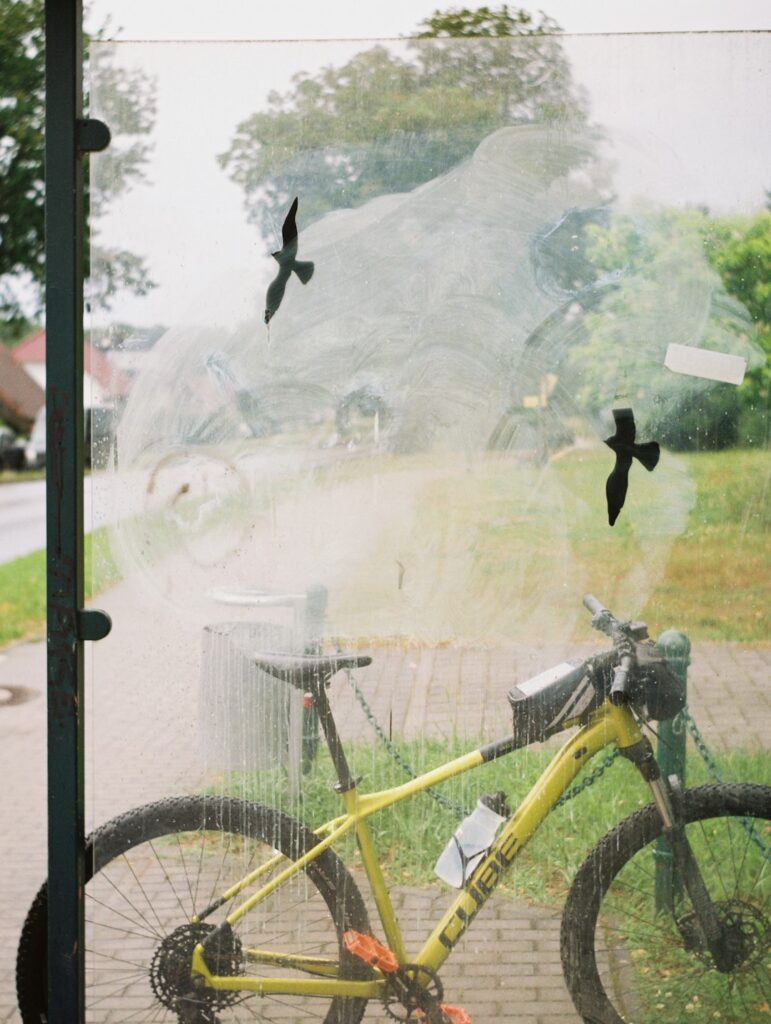
Why do birds collide with windows?
Birds often strike windows because glass reflects sky, trees, shrubs, or open space. From a bird’s perspective, the reflected scene can look like a clear flight path rather than a solid surface. Transparent windows may also appear to offer a passage through a room to vegetation or daylight beyond it.
Window collisions can happen at any time of year, but the risk may increase during spring and fall movement periods, nesting season, and days with poor visibility. In Sequim, homes with large picture windows, sunrooms, covered patios, or views toward mature vegetation may have especially noticeable reflection problems.
A bird that flies away after hitting glass may still have internal injuries. Signs of a collision include:
- A sudden impact sound
- Feathers or a faint bird-shaped mark on the glass
- An injured or stunned bird beneath the window
- Repeated impacts from one species defending its reflection
- Dead birds or feathers near window wells, shrubs, or foundations
If one collision has occurred, additional strikes may be going unnoticed.
What is the most effective way to make windows bird-safe?
The most reliable solution is to place a visible pattern across the outside surface of the glass. Markers should be close enough together that a bird cannot fly through the spaces between them. A commonly used guideline is a pattern with gaps no larger than about 2 inches by 2 inches.
The treatment must be visible from outside. Stickers or decorations placed only on the inside may be less effective because reflections can remain visible on the exterior surface.
Options include:
- Exterior window film with a dense pattern
- Tempera paint or soap-based window paint applied in repeated lines or dots
- Closely spaced window markers
- Exterior insect screens
- Exterior shades or shutters
- Hanging cords or strings arranged in close vertical rows
- Bird-safe glass or exterior treatments installed during remodeling or new construction
A few widely spaced decals shaped like hawks, owls, or other birds usually do not solve the problem. The issue is not the shape of the marker; it is the size of the clear spaces between markers.
Do window screens help?
Yes. Exterior screens can reduce collisions in two ways: they interrupt reflections and create a visible barrier slightly in front of the glass. Screens also cushion the impact if a bird reaches the window.
Screens work best when they cover the full pane and remain taut. A screen that covers only part of a large window may leave untreated sections that still reflect trees or sky. For windows without permanent screens, removable seasonal screens can provide useful protection.
A screen inside the home is less effective than one mounted outside because the exterior reflection remains visible.
Where should window treatments be placed first?
Start with windows that reflect the most habitat or receive the most bird activity. Walk around the outside of the home at different times of day and look for reflections of:
- Trees and shrubs
- Open sky
- Flowering or fruiting plants
- Bird feeders and birdbaths
- Garden structures
- Bright indoor lighting visible through the glass

Large panes, corner windows, glass doors, and windows near vegetation deserve close attention. Windows on the shaded side of a house can be hazardous because they may reflect a bright patch of sky or nearby foliage.
In a home with many windows, treating the known problem panes first is reasonable. However, a quiet window is not necessarily a safe one. Collisions may happen when no one is nearby, and injured birds may move into vegetation before they are noticed.
Should bird feeders and birdbaths be moved?
Bird feeders and birdbaths should either be placed very close to a window or much farther away. A feeder within about 3 feet of glass generally does not give a bird enough room to build up dangerous speed. If a feeder is placed farther away, it should be positioned well beyond the immediate flight path from the feeding area to the window.
Moving a feeder only a few feet may not solve the problem. Observe how birds approach and leave the feeder, especially if they fly directly toward a reflective pane.
Birdbaths should also be kept away from untreated windows or located close enough that birds cannot develop much momentum. Vegetation near water features can create attractive reflections, so the window itself may still need treatment.
Can closing curtains prevent bird strikes?
Curtains and blinds can help reduce transparency, but they do not always eliminate exterior reflections. Light-colored curtains may still leave windows reflective from outside, particularly during bright daylight.
For a temporary measure, close blinds or curtains on the most hazardous windows during periods of heavy bird activity. A patterned exterior treatment, screen, or closely spaced surface markers provide more dependable protection because they alter what birds see from outside.
At night, reduce unnecessary indoor lighting visible through windows, especially during periods when birds are moving through the area. Closing blinds after dark can also reduce the glow that may attract or disorient birds.
What should be done if a bird hits a window?
Approach quietly and check whether the bird is alert, bleeding, unable to stand, or showing a drooping wing. A stunned bird should not be left exposed to cats, dogs, vehicles, or additional impacts.
If the bird is injured or remains unable to fly, gently place it in a small ventilated cardboard box lined with a soft, nonslip material. Keep the box closed in a dark, quiet, warm location away from pets and children. Do not give the bird food or water, and avoid repeated handling. Contact a licensed wildlife rehabilitator or appropriate wildlife authority for instructions as soon as possible.
If the bird appears to recover quickly, do not encourage it to fly indoors or release it beside the same window. If it cannot fly strongly and land normally, it may still need help.
What about a bird repeatedly attacking its reflection?
Some birds repeatedly strike or peck at a window because they see their reflection as a rival. This behavior is different from a high-speed collision, but it can still cause injury and stress.
Cover the outside of the affected pane with a temporary opaque material, dense pattern, screen, or other exterior treatment. Interior coverings may not block the reflection well enough. The behavior often occurs around nesting season and may continue until the reflection is removed.
How can households reduce risks throughout the year?
Inspect windows after cleaning, landscaping changes, or installation of new outdoor lighting. A tree trimmed away from one window may expose another pane to a stronger reflection. Seasonal changes can also alter which windows mirror vegetation or open sky.
In Sequim, homes may experience changing bird activity around gardens, wooded edges, open yards, and sheltered outdoor spaces. Keeping feeders, baths, and attractive plantings in mind while evaluating windows can help identify risks before collisions become frequent.
The practical standard is simple: if a bird can see a reflection or apparent flight path, the glass should have a visible exterior pattern, screen, shade, or other barrier that breaks up the illusion.